What is liquid soil?
What is a liquid floor, and how does it work?
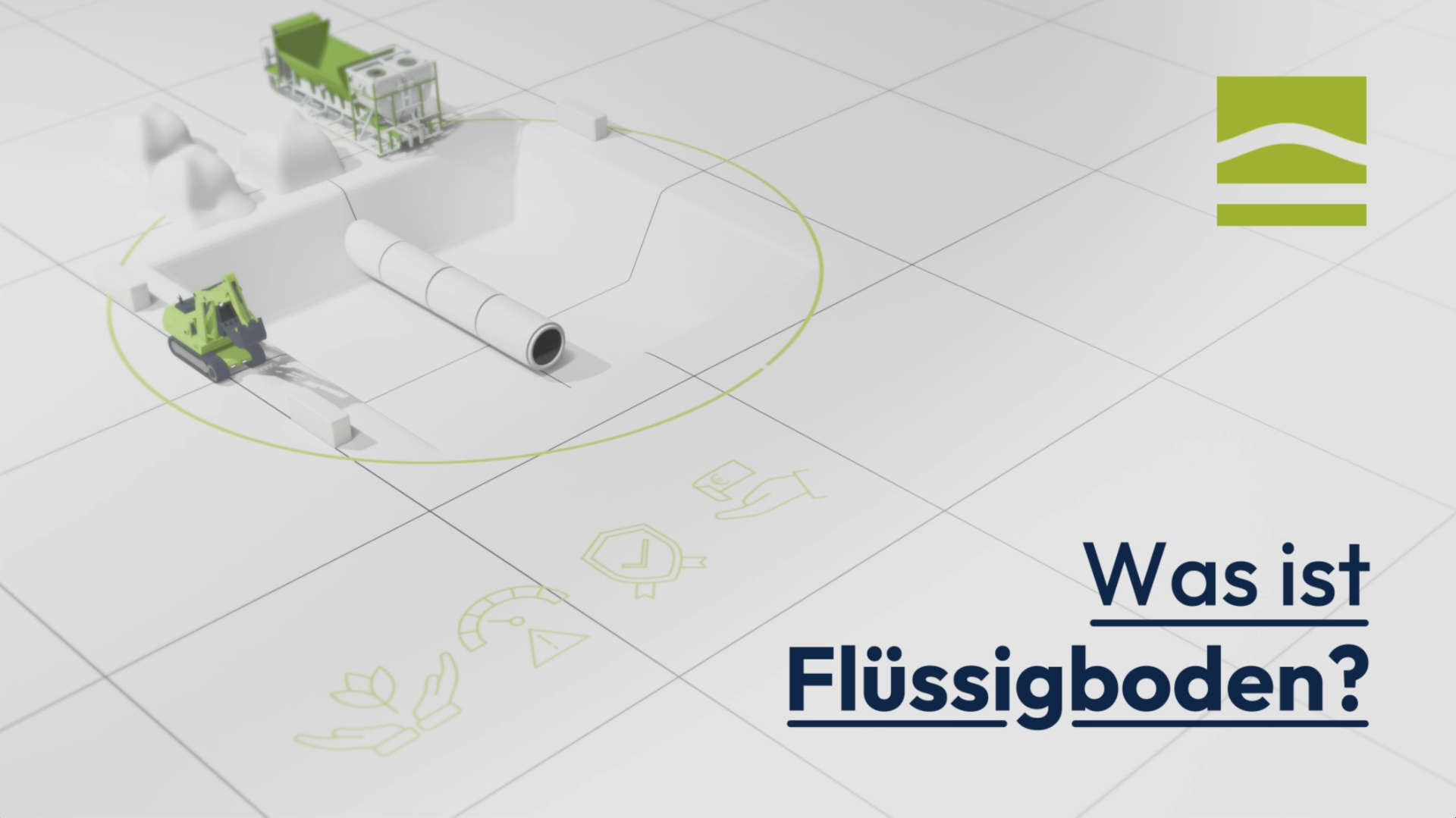
In just a few minutes, learn how fluidized soil is produced, what properties the backfill material has, and why it is being used more and more frequently in pipeline construction, sewer construction, and civil engineering. The video explains the production process, typical applications, and the most important benefits in a clear and practical way.
Definition of "liquid soil": What does "liquid soil" mean?
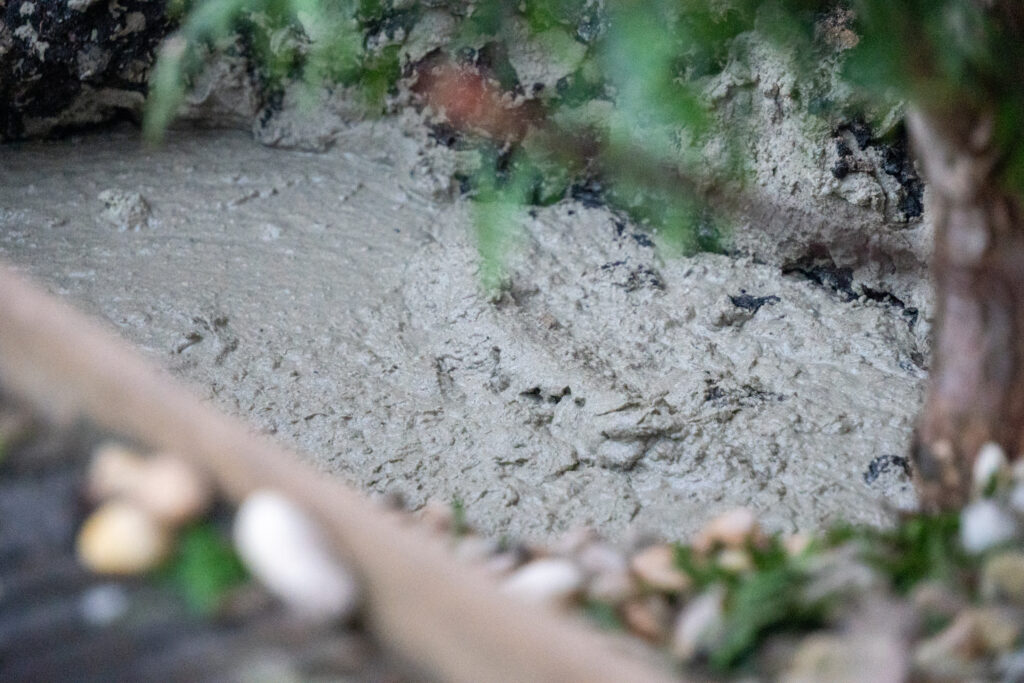
Liquid soil is a temporarily flowable backfill material used in civil engineering that is produced from excavated soil. The addition of water, binders, and special additives creates a material with defined properties that is particularly suitable for backfilling utility trenches, construction pits, and canals.
During installation, liquid soil spreads automatically throughout the entire backfill area and reliably fills even hard-to-reach areas. Once it has hardened, it forms a stable backfill with minimal settlement that can be reused in future construction projects. As a result, liquid soil represents a cost-effective and sustainable alternative to traditional backfilling methods.
How is liquid soil made?
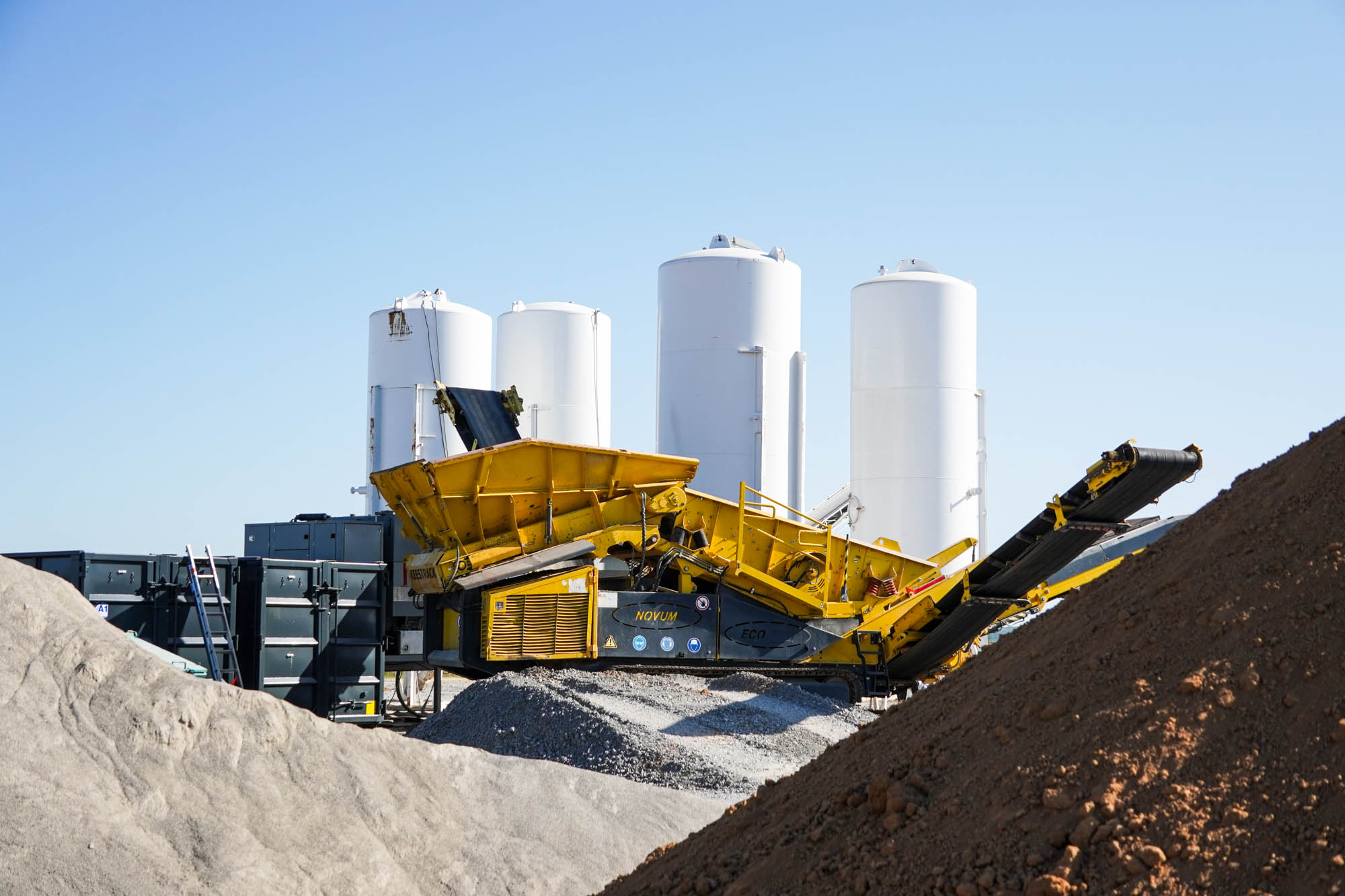
The production of liquid soil begins with the excavated soil available at the construction site. First, the soil is analyzed and tested in a laboratory to determine its properties. Experts then develop a project-specific formula tailored to the soil type, intended use, and technical requirements.
To produce it, excavated soil, water, a binder, and suitable additives are mixed together. This creates a temporarily flowable backfill material that spreads out on its own during placement and then hardens in a controlled manner. The material properties are adjusted to ensure a backfill with minimal settlement, high stability, and the ability to be excavated again during subsequent construction work.
A key advantage of fluidized soil technology is the reuse of excavated soil. Instead of disposing of the soil, it is processed directly on the construction site and reused. This significantly reduces transportation distances, disposal costs, and the need for additional materials.
Overview of the Properties of Liquid Soil

Controlled Strength
The strength is set on a project-by-project basis and tailored to the requirements of the specific construction project. This results in a permanently stable backfill.

Reversibility
Once it has hardened, liquid soil can be excavated again during subsequent construction work. Pipes and ducts can be exposed with minimal effort.

Thermal conductivity
Depending on the formulation, liquid base is suitable for district heating pipelines, energy corridors, and infrastructure projects with high heat transfer requirements.

Homogeneous Backfilling
Liquid soil spreads on its own throughout the entire backfill area and reliably fills voids. This results in a uniform backfill with minimal settlement.
Low settlement
The uniform distribution reduces subsequent settlement and ensures a permanently stable backfill.
Self-compacting
Compaction layer by layer is generally not necessary. This saves time and simplifies installation on the job site.
Sustainable Civil Engineering Through the Reuse of Excavated Soil
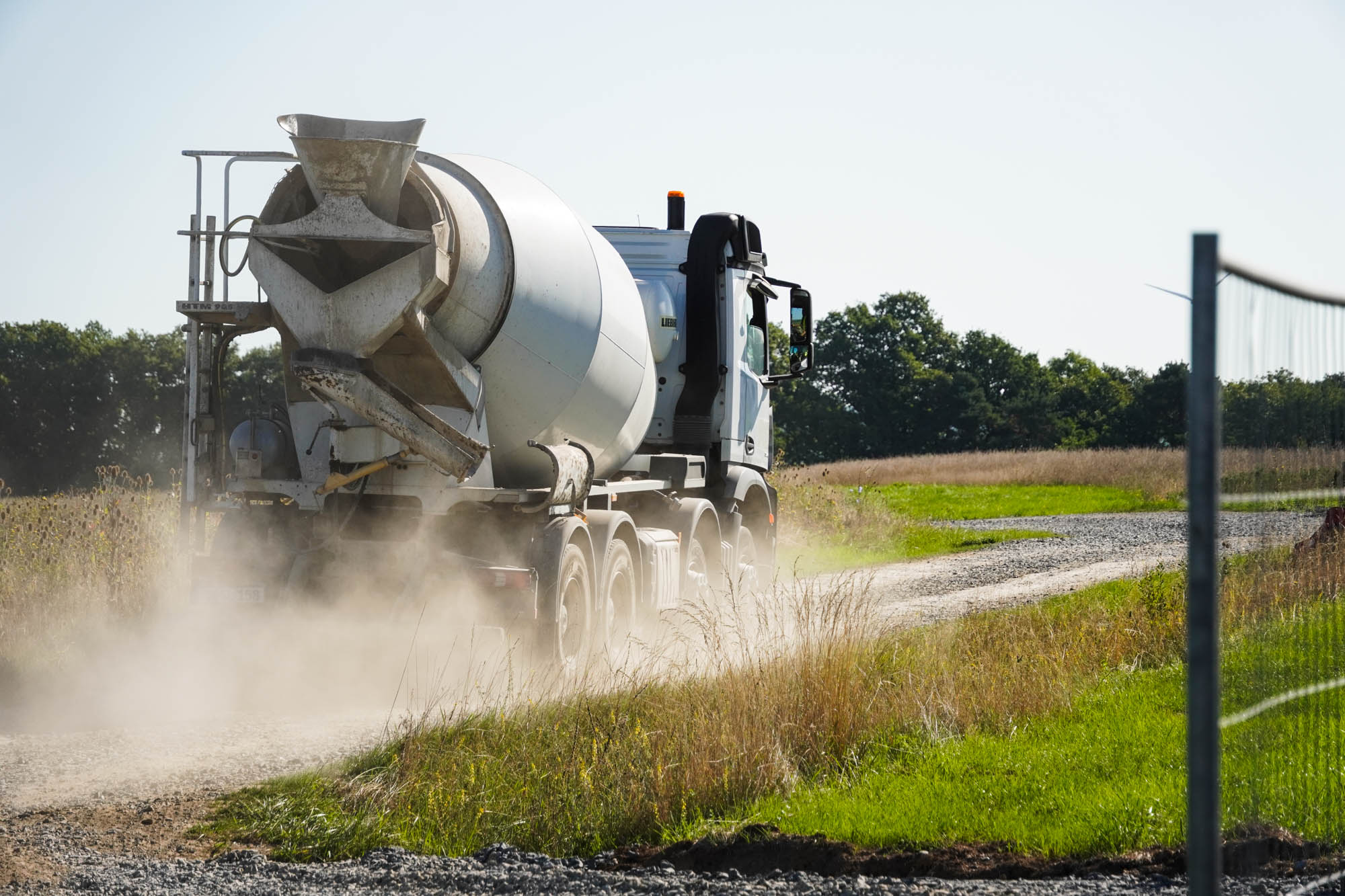
Liquid soil enables more sustainable construction by processing the excavated soil directly on the construction site and reusing it as backfill material. This often eliminates the need to haul away large volumes of soil and to use additional external materials.
Reusing excavated soil reduces transportation distances, landfill volumes, and CO₂ emissions. At the same time, disposal, logistics, and material costs are reduced, allowing construction projects to be carried out in a more cost-effective and resource-efficient manner.
In this way, liquid soil combines technical performance with the requirements of modern, sustainable civil engineering. Construction companies, planners, and municipalities benefit from a solution that effectively combines environmental and economic advantages.
Precision Manufacturing and Quality Assurance
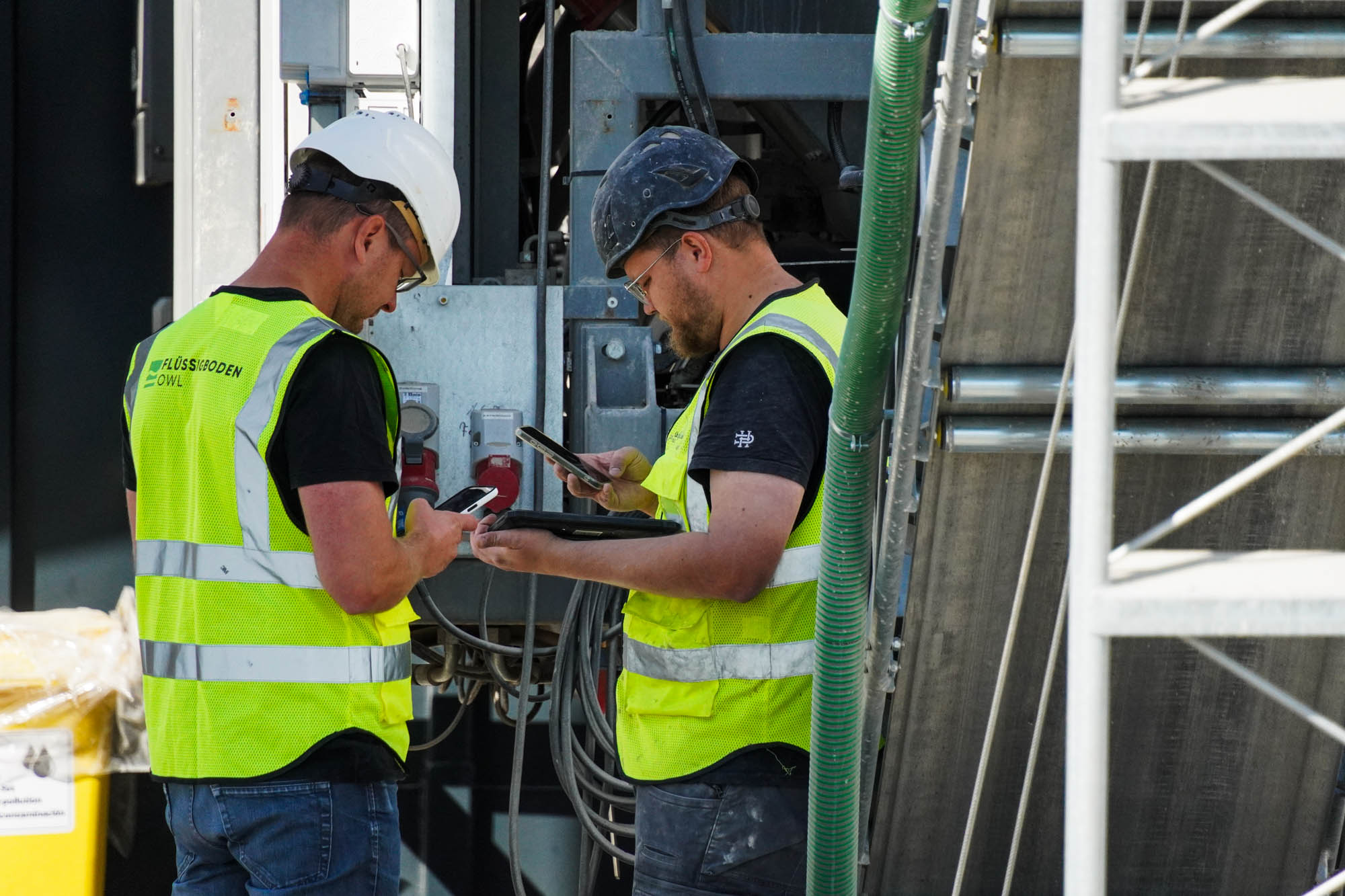
Precise manufacturing is crucial for ensuring that liquid soil meets the required material properties. This is based on project-specific formulations developed using soil analyses and the technical requirements of the respective construction project. This allows the liquid soil to be optimally adapted to the existing soil type and the planned area of application.
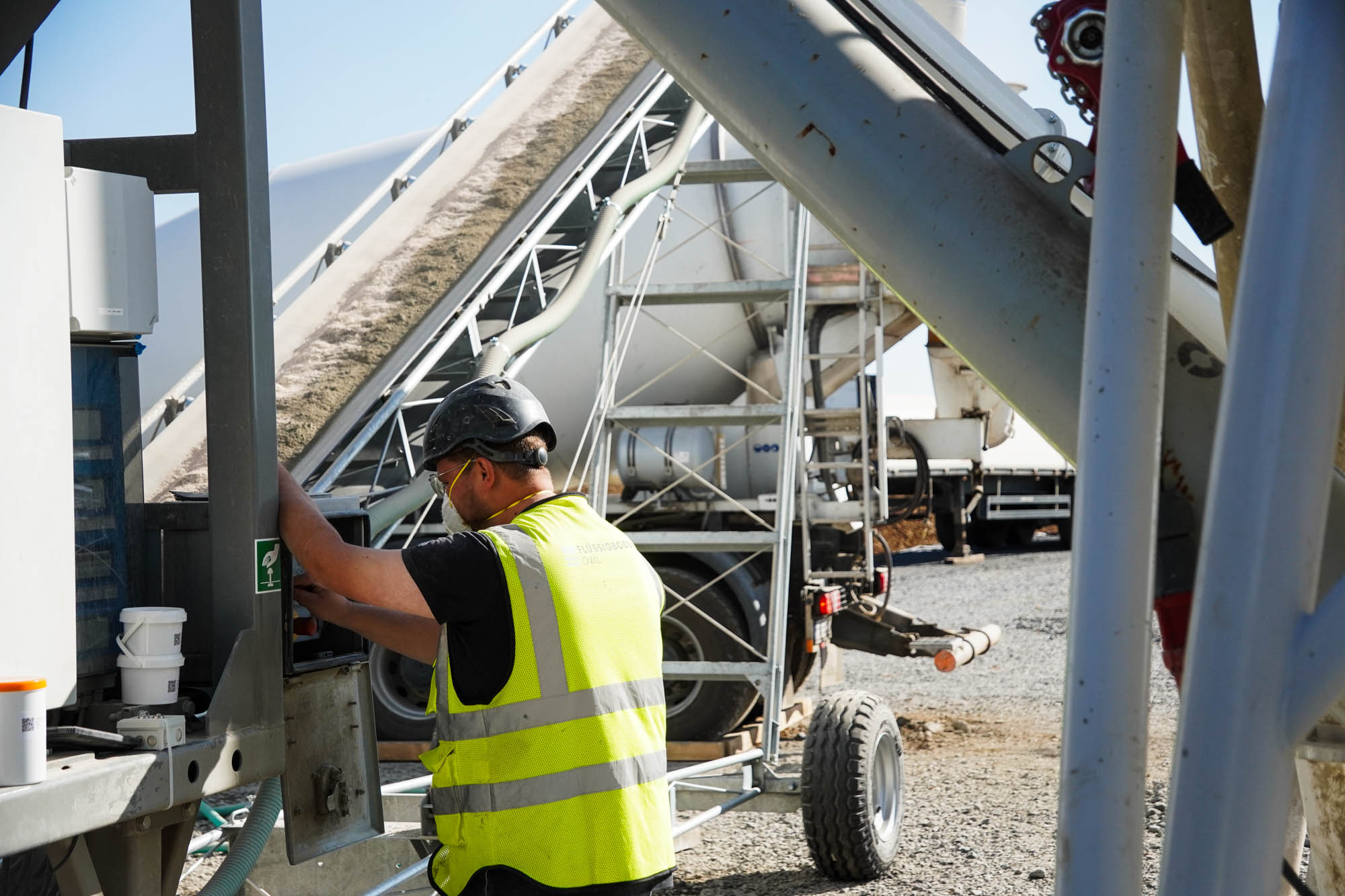
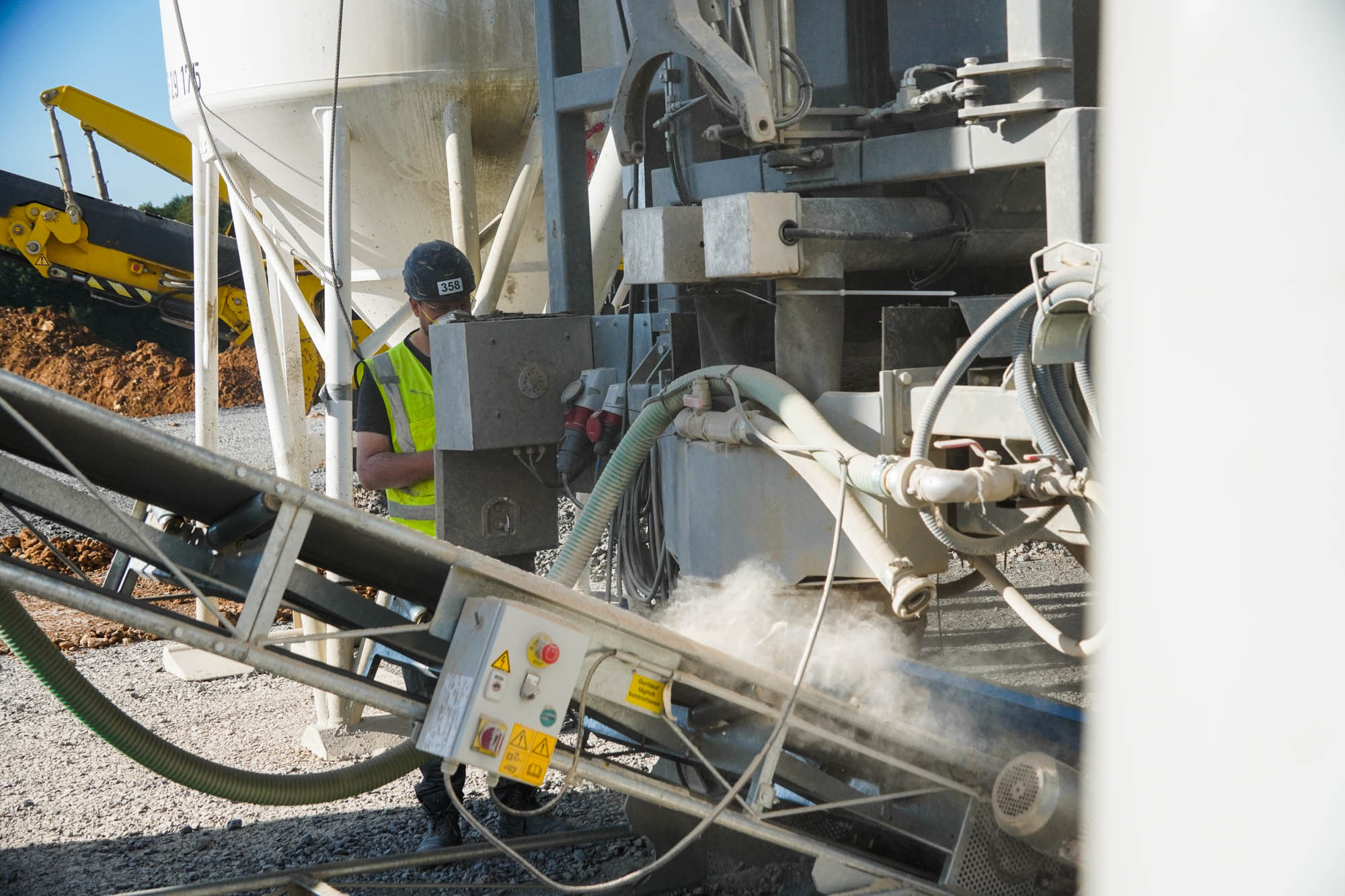
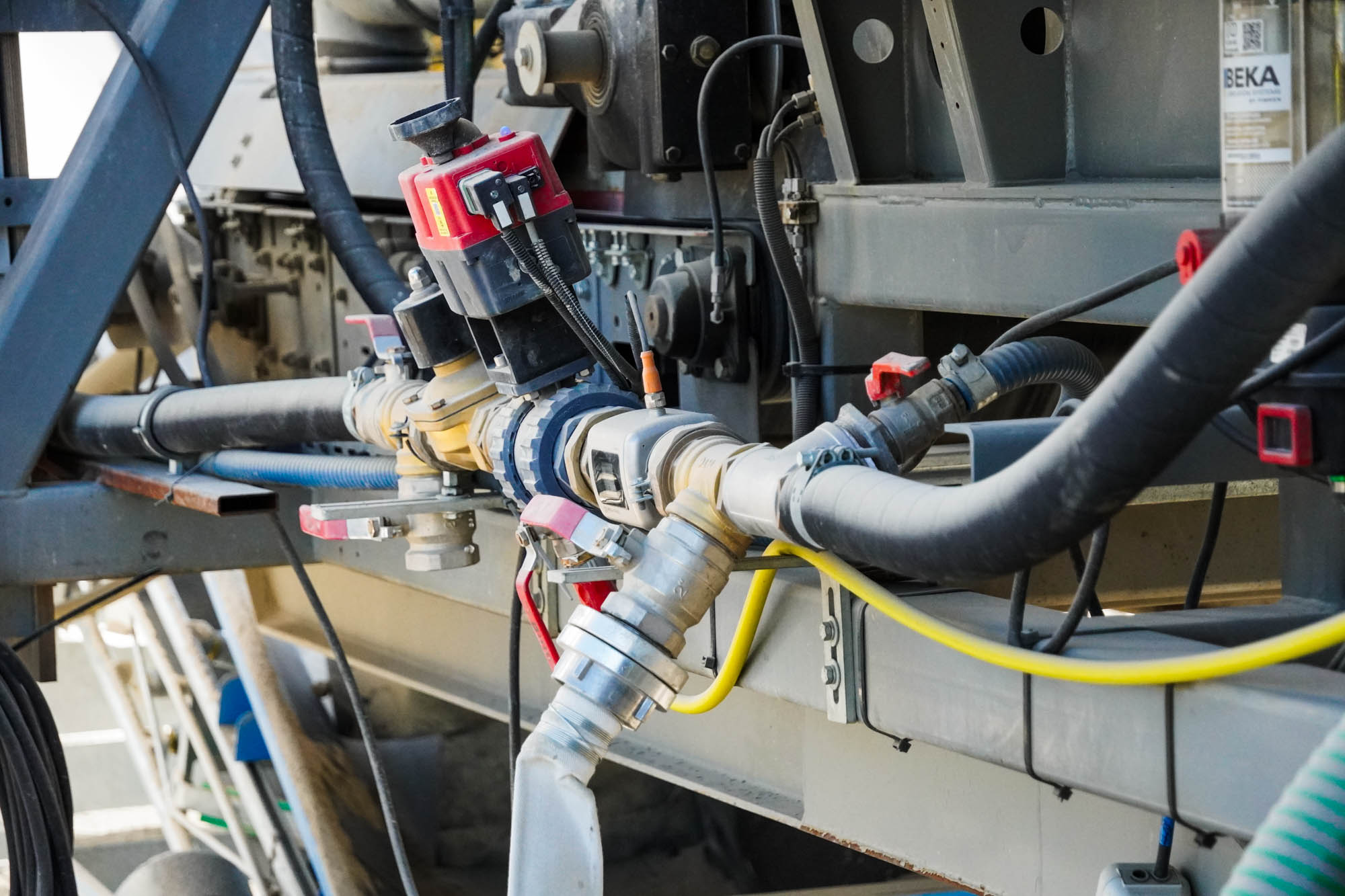
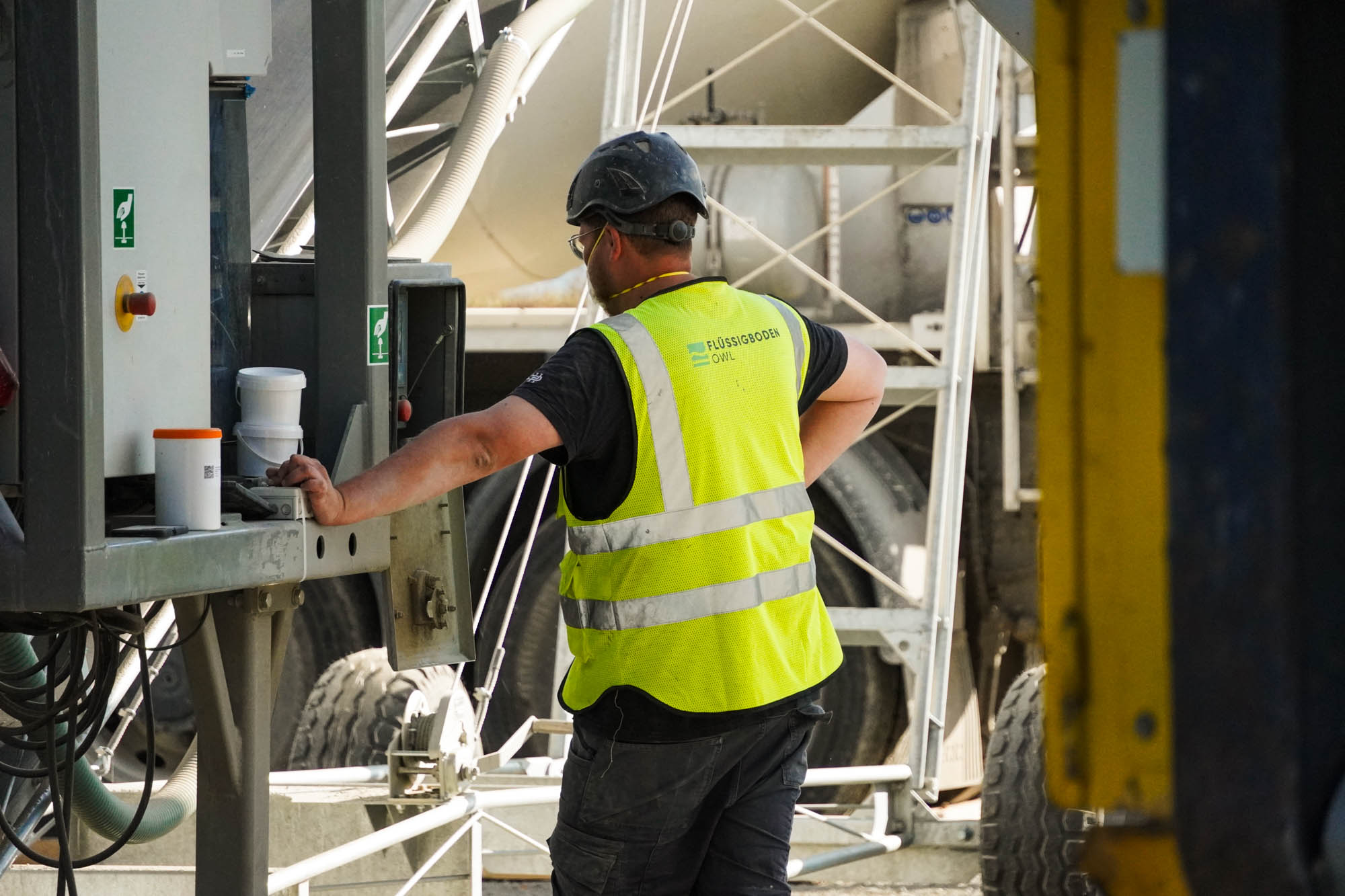
During production, excavated soil, water, binders, and additives are precisely measured and continuously monitored. Our state-of-the-art mixing plants are equipped with precise weighing and control systems that ensure consistent quality and reproducible results. Comprehensive documentation of the production processes further ensures maximum quality assurance on every construction site.
Why Soft Soil Is Becoming More Important in Modern Civil Engineering
Modern civil engineering places ever-increasing demands on cost-effectiveness, sustainability, and technical quality. At the same time, construction projects involving pipeline installation, sewer construction, and district heating and cable routes are on the rise. This is where traditional backfilling methods often reach their limits—especially in the case of narrow utility trenches, complex excavation pits, or hard-to-reach areas.
As a modern backfill material, liquid soil offers a cost-effective and sustainable alternative. It spreads out on its own during installation, reduces voids and settlement, and allows for controlled backfilling without the need for time-consuming compaction work. Reusing the existing excavated soil also reduces transportation distances, disposal costs, and CO₂ emissions.
That is why more and more construction companies, planners, and local governments are turning to liquid soil to carry out construction projects more efficiently, in a way that conserves resources, and with technical reliability.
Where is liquid soil used?
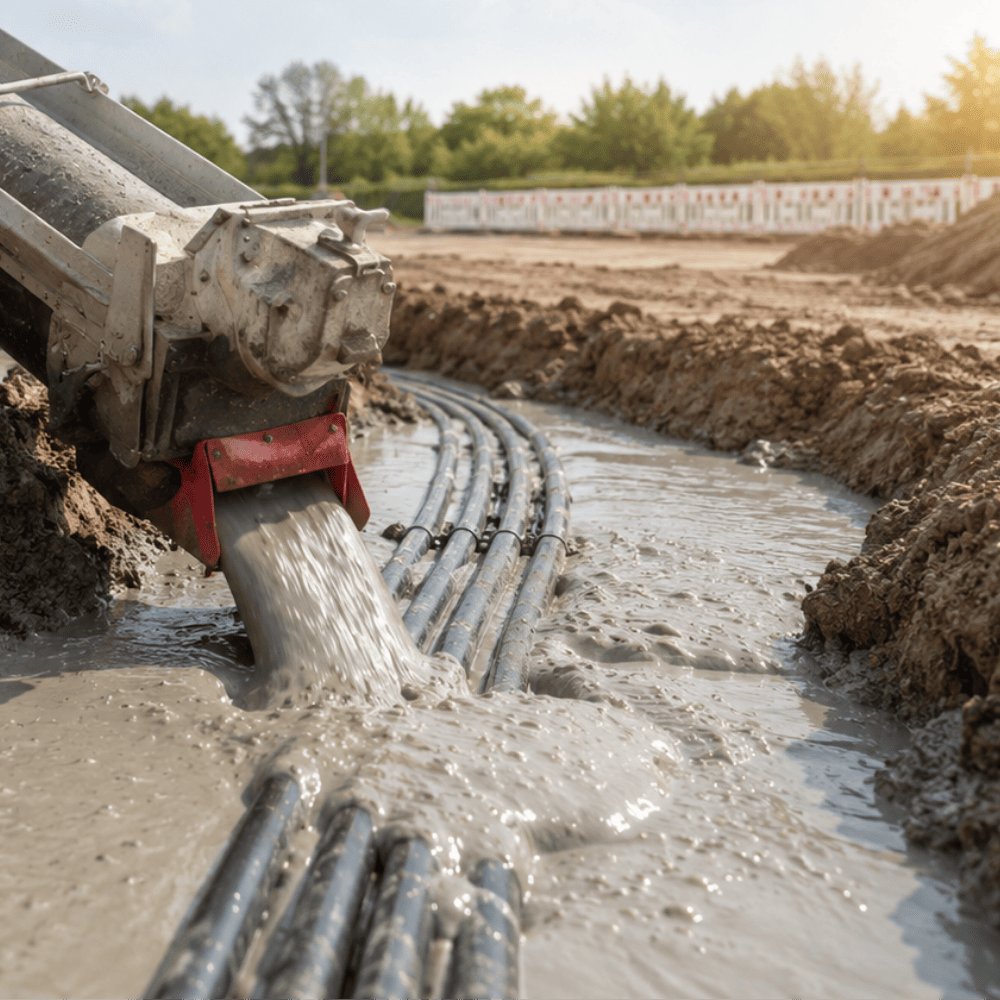
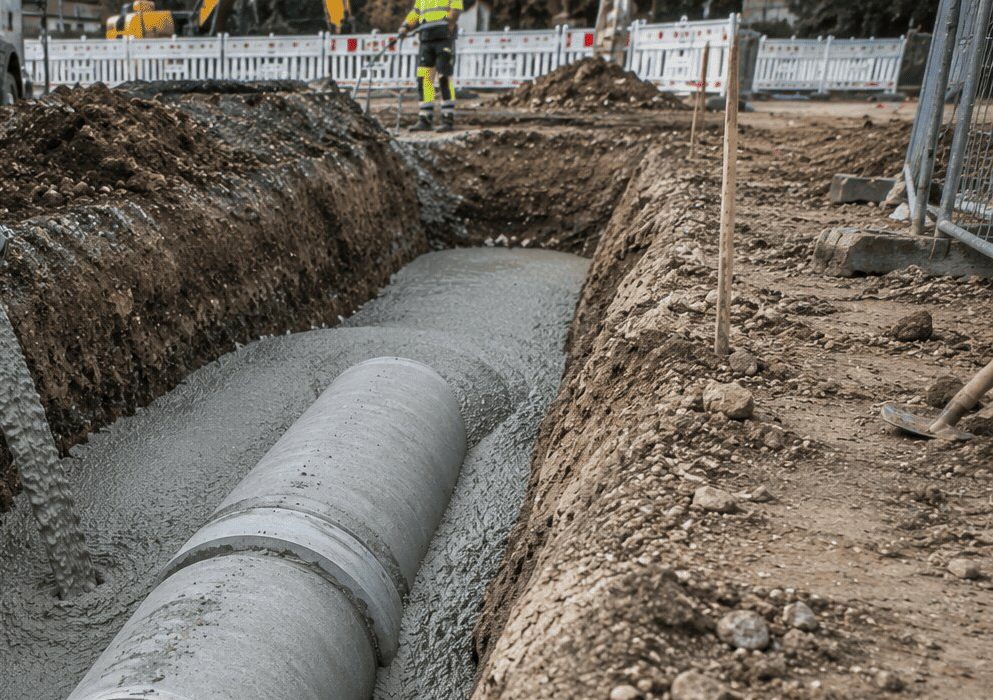
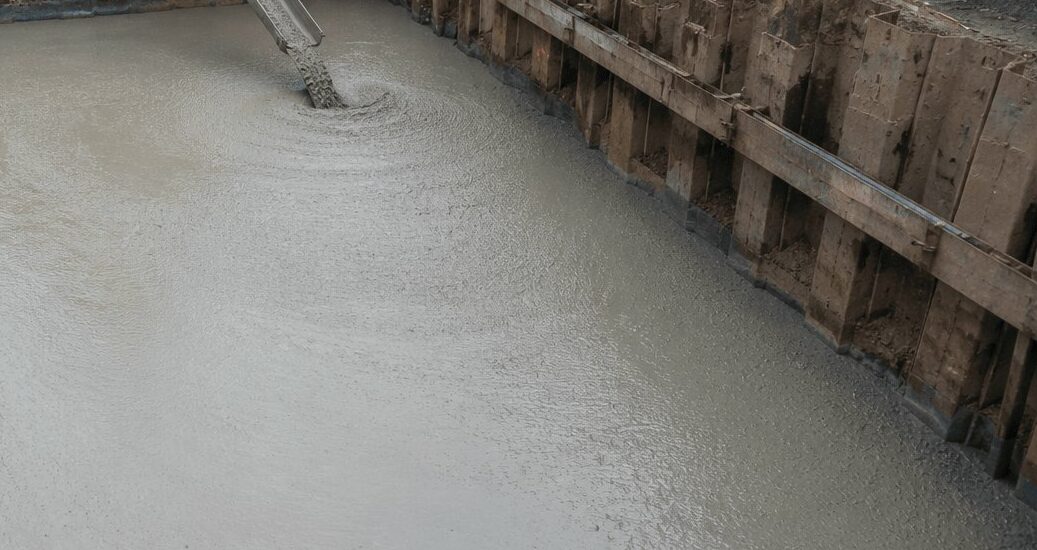
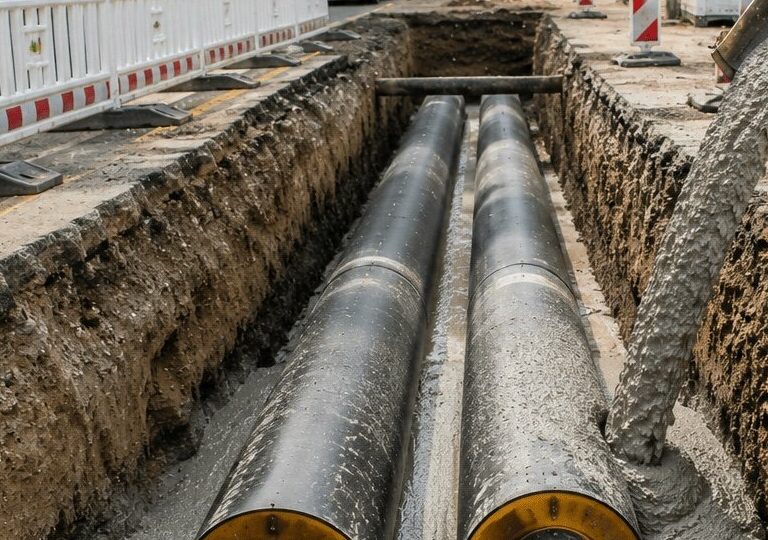
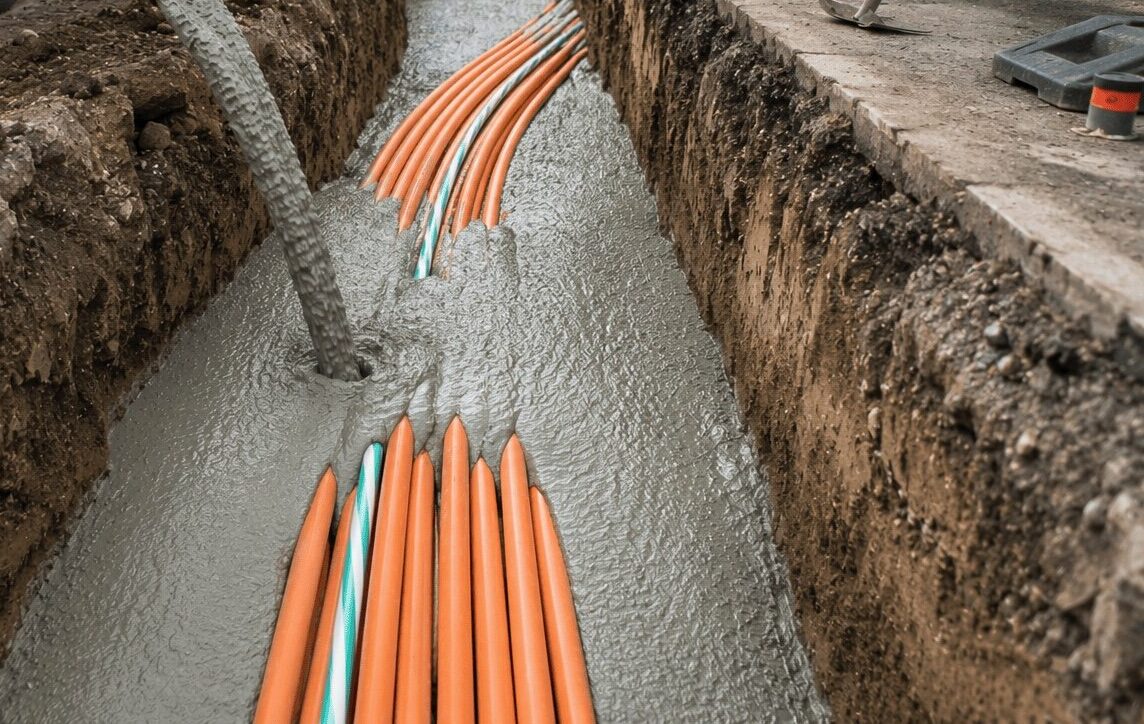
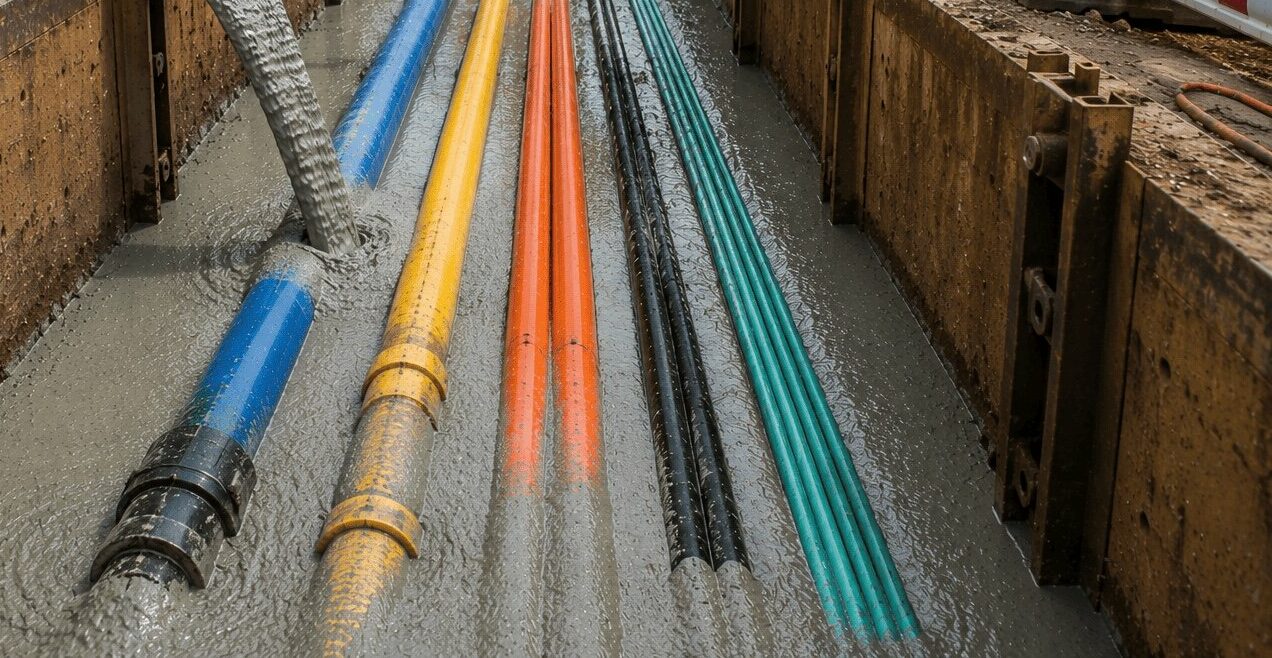
Liquid soil is used in numerous areas of civil engineering. It is particularly common in the backfilling of utility trenches, construction pits, and canals, as well as in district heating, power, and fiber-optic corridors. Thanks to its flowable properties, liquid soil is suitable for any application where safe, low-settlement, and cost-effective backfilling is required.
In pipeline construction, liquid soil evenly surrounds pipes, cables, and conduits, providing them with lasting protection against localized stress. In sewer construction, it ensures a homogeneous backfill without voids, while in excavation pits and work areas, it facilitates installation and reduces the need for time-consuming compaction work.
Preventing Settlement and Voids with Liquid Soil
One of the biggest challenges in civil engineering is settlement and voids, which can result from uneven compaction. This can lead to damage to roads, traffic areas, utility trenches, or pipelines, as well as costly repairs.
During installation, liquid soil spreads automatically throughout the entire backfill area and reliably fills voids. This results in a homogeneous backfill with minimal settlement and uniform load distribution. This enhances long-term stability and reduces the risk of subsequent settlement damage in pipeline construction, sewer construction, and excavation projects.
Sustainable Reuse of Excavated Soil Using Liquid Soil
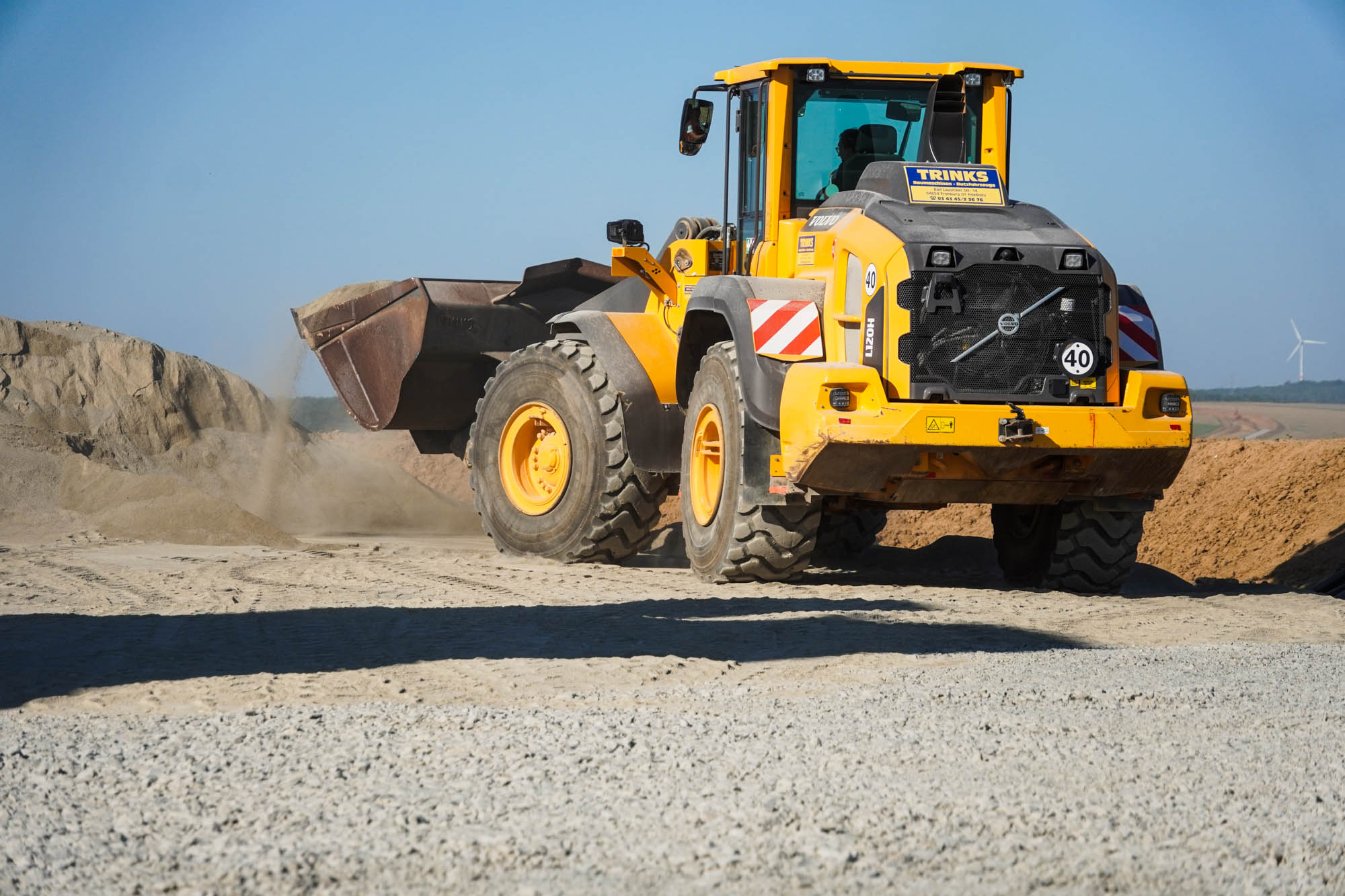
Liquid soil allows for the reuse of existing excavated soil directly on the construction site. Instead of disposing of the excavated soil and delivering new backfill material, the excavated soil is processed and reused as liquid soil.
This significantly reduces transportation distances, landfill volumes, and CO₂ emissions. At the same time, disposal, logistics, and material costs are reduced, allowing construction projects to be carried out in a more cost-effective and resource-efficient manner.
The reuse of existing soil makes liquid soil a sustainable alternative to traditional backfilling methods and supports modern civil engineering that combines technical requirements with the responsible use of natural resources.
Protecting Sensitive Cables and Infrastructure with Liquid Soil
In modern utility line construction, electrical, gas, water, fiber-optic, and district heating lines must be permanently protected and securely embedded. Backfilling plays a crucial role in this process, as it significantly affects the stability of the lines and the load-bearing capacity of the infrastructure.
Liquid soil evenly surrounds cables and pipes without causing localized pressure. This creates a homogeneous bedding that reduces voids and provides long-term protection for the cables and pipes. At the same time, the liquid soil remains excavatable after curing, so that cables and pipes can be easily exposed during future maintenance, repair, or expansion work.
Removable liquid flooring: Why is this important?
An important advantage of liquid soil is that it can be re-dissolved later. The material is formulated so that it remains stable after installation but can be re-dissolved during subsequent construction work.
This is particularly important for utility lines. Power lines, fiber-optic cables, district heating pipes, water mains, and sewer lines often need to remain accessible even years later. Liquid soil thus combines long-term stability with practical ease of maintenance.
Faster Construction Processes with Liquid Soil
Thanks to its temporary flowability, liquid soil can be installed much more quickly than traditional backfill materials. Utility trenches, excavation pits, and work areas are filled evenly without the need for time-consuming layer-by-layer compaction.
This speeds up construction processes, reduces the need for personnel and machinery, and shortens road closures—especially for projects involving utility line installation, sewer construction, and other civil engineering work.
At the same time, liquid soil contributes to sustainable construction. The reuse of existing excavated soil, shorter transport distances, and lower disposal costs make it an economical and resource-efficient solution for modern civil engineering.
Advantages of Liquid Soil in Modern Civil Engineering
Self-compacting
Compared to traditional backfilling methods, fluidized soil offers numerous technical, economic, and environmental advantages. Thanks to its unique material properties, it improves construction processes, protects infrastructure, and supports sustainable construction practices.
Low settlement
Homogeneous backfilling reduces voids and minimizes the risk of future settlement. This provides long-term protection for utility lines, traffic areas, and structures.
Filling Without Voids
Liquid soil spreads evenly and reliably fills voids. This results in a homogeneous and permanently stable backfill.
Fewer trips
Reusing existing soil reduces the need to transport materials and improves cost-effectiveness and construction site logistics.

Lower disposal and material costs
Since existing excavated soil can be reused, disposal, transportation, and material costs are reduced.
Faster Construction Processes
The flowable installation accelerates backfilling and reduces the time required for compaction work. This significantly shortens construction time.

Protection of Sensitive Cables
Liquid flooring evenly encases cables and pipes, providing lasting protection against localized stress and voids.
Can be excavated again
The material properties are adjusted so that pipes and structures can be exposed again during subsequent maintenance or repair work.
How much does liquid flooring cost?
It is not possible to provide a flat rate for liquid soil, as each construction project has different requirements. The price depends, among other things, on the type of soil, the quantity required, the transport distance, the site conditions, and the project-specific formulation.
When comparing costs, however, one should not consider only the price of materials. Reusing existing excavated soil can reduce transportation, disposal, and material costs. At the same time, in many cases, time-consuming compaction work is no longer necessary, which shortens construction times and allows for more efficient site operations.
Whether fluidized soil is more cost-effective than traditional backfilling therefore always depends on the specific construction project. We would be happy to review your requirements and provide a customized project estimate.
Frequently Asked Questions About Liquid Soil
Liquid soil is a temporarily flowable backfill material used in civil engineering. It is produced from the excavated soil and processed with water, binders, and additives. This results in a self-compacting, settlement-resistant backfill material that can be loosened again later.
Liquid soil is used primarily in civil engineering, pipeline construction, sewer construction, and excavation projects. Liquid soil offers significant technical advantages, particularly in narrow pipeline trenches, complex infrastructure projects, or district heating pipelines.
Liquid soil enables void-free backfilling that is resistant to settlement. At the same time, it speeds up construction processes, protects utility lines, and allows the existing soil to be reused. This significantly reduces the need for transportation and landfill disposal.
The excavated soil is analyzed and then mixed with water, binding agents, and additives. The mixture is customized to the specific soil type and the project's requirements.
Yes. Liquid soil allows for the reuse of existing soil directly on the construction site. This conserves resources, reduces CO₂ emissions, and lowers disposal costs.
Yes. Fluid soil is prepared in such a way that it remains permanently stable but can be loosened again during subsequent construction work. This allows pipes to be exposed without any problems, even years later.
Unlike conventionally compacted soil, liquid soil spreads out on its own during installation and completely fills any voids. This results in a homogeneous structure without subsequent settlement.
Yes. Fluidized soil has high thermal conductivity and is therefore particularly well-suited for district heating pipelines, power lines, and other energy infrastructure projects.
Liquid soil can be made from almost any type of soil. The formula is customized for sandy, loamy, or mixed soils.
The cost of liquid soil depends on various factors, including soil type, site size, transportation routes, and the project's technical requirements.
In many cases, liquid soil can be more cost-effective than traditional backfilling methods due to lower disposal, transportation, and construction costs.
Since every construction site has different requirements, the appropriate solution is planned and costed on a case-by-case basis.
Please feel free to contact us; we'll be happy to provide you with a customized, no-obligation quote for your project.
Self-leveling floor for your project