Filling voids with liquid soil
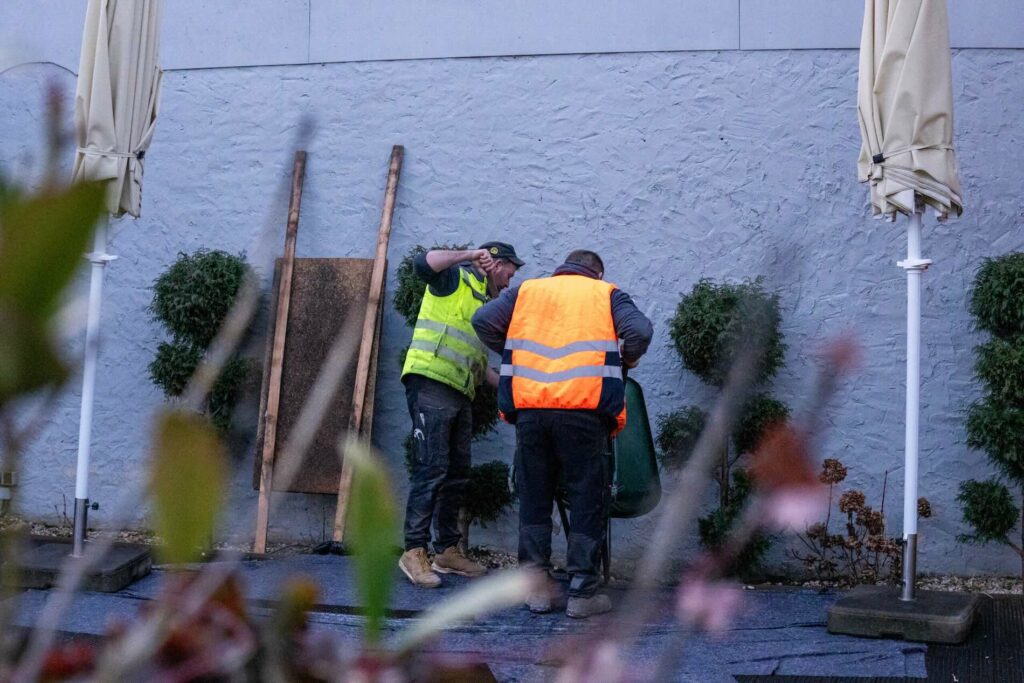
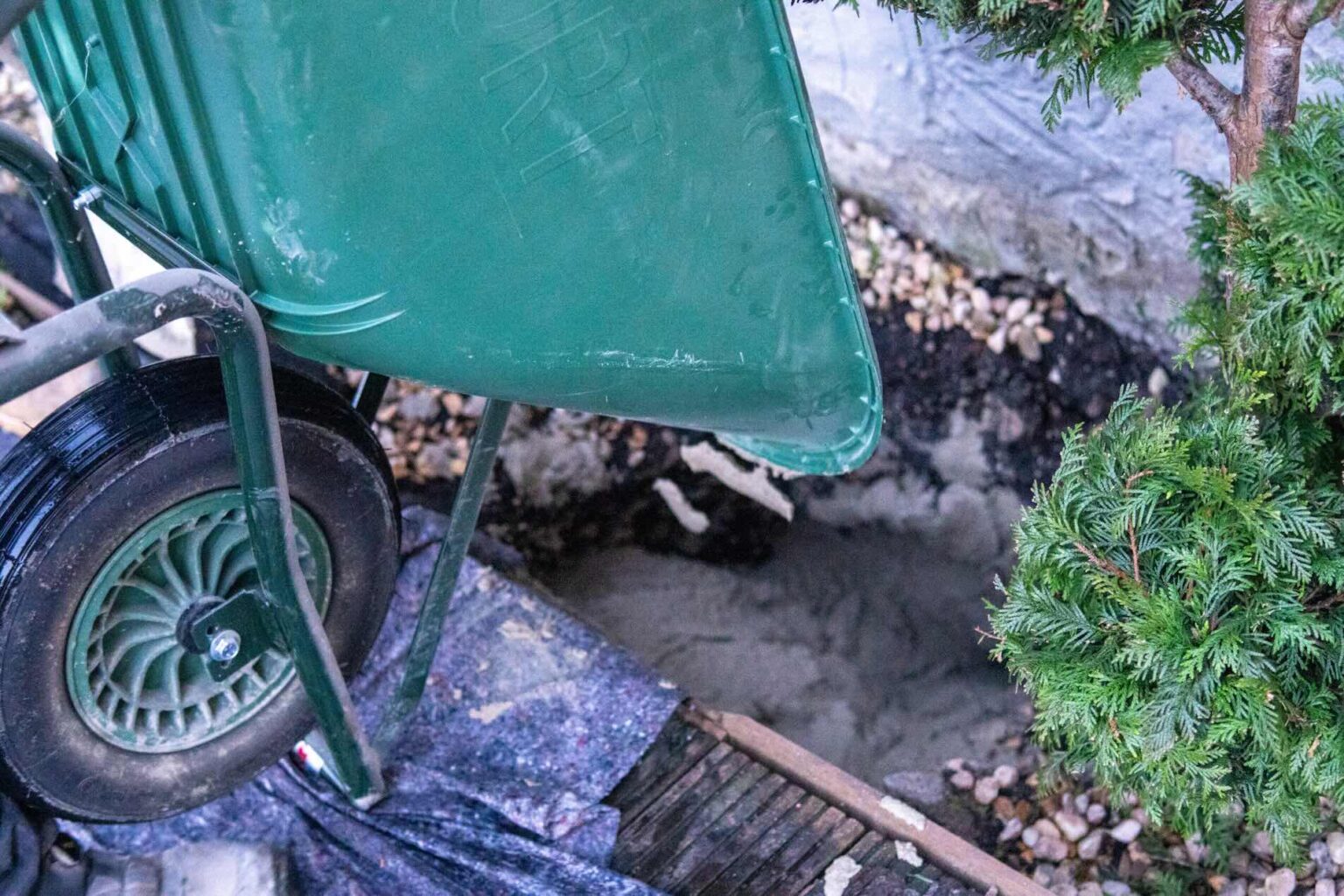
Filling voids without leaving any voids and without the need for extensive compaction
Liquid soil is ideal for filling voids because it spreads throughout the entire void on its own and reliably reaches even hard-to-access areas. Unlike traditional backfill materials, it creates a homogeneous fill with minimal settlement, without the need for labor-intensive layer-by-layer compaction.
This method offers significant advantages, particularly when dealing with voids beneath foundations, traffic areas, patios, or existing buildings. The liquid soil can be applied precisely and fills even the smallest gaps. As a result, existing structures and surfaces remain largely intact, and disruption to the surrounding area is kept to a minimum.
Controlled consolidation results in a permanently stable and load-bearing foundation. This allows voids to be safely filled and structures to be stabilized for the long term—in a cost-effective and sustainable manner, with minimal impact on the existing structure.
Where is liquid soil used for cavity backfilling?
Filling voids with liquid soil is used wherever voids need to be filled safely, with minimal settlement, and permanently. Thanks to its flowable properties, liquid soil can reach even hard-to-access areas and is suitable for a wide variety of applications in civil engineering and existing structures.
Would you like to learn more about the properties and manufacturing process of liquid flooring? On our page “What Is Liquid Flooring?” , we explain in detail how the material works, its advantages, and its applications.

Filling Voids at Inner-City Construction Sites
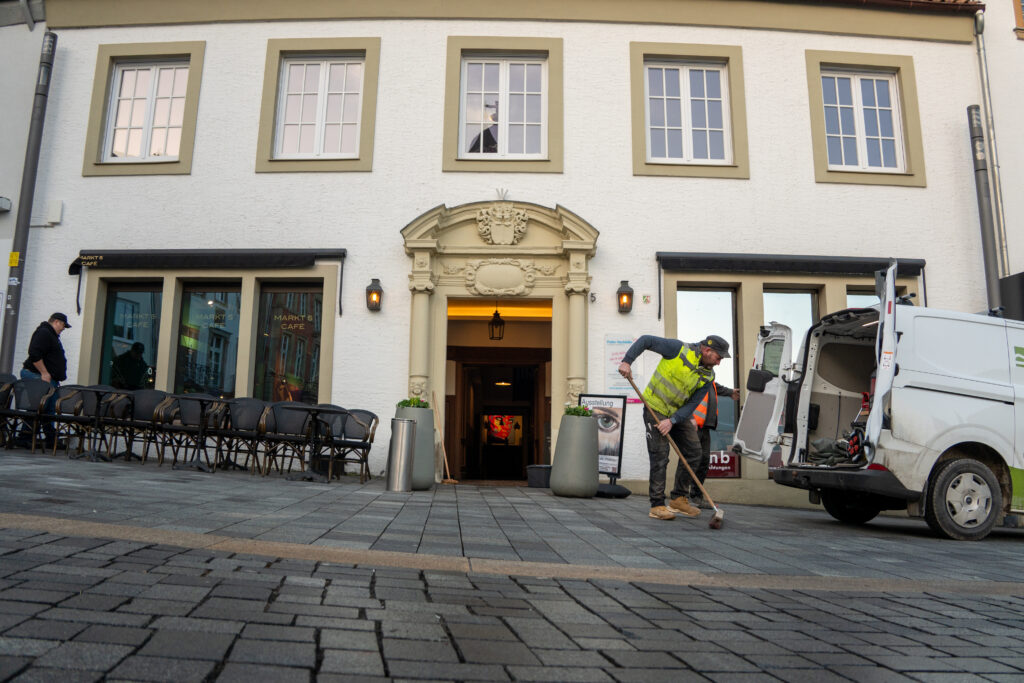
Filling voids with liquid soil is particularly well-suited for inner-city construction sites, where space, time, and vibrations are key considerations. Since liquid soil is installed without the need for extensive mechanical compaction, noise and vibrations during construction can be significantly reduced.
This method offers significant advantages, particularly near existing buildings, beneath traffic areas, or during ongoing operations. Thanks to its pumpable properties, the liquid soil can be applied over longer distances or through hoses into hard-to-reach areas.
Even narrow access roads, backyards, or enclosed interior areas can be reliably reached. As a result, filling voids with liquid soil enables cost-effective, controlled, and time-saving implementation—even for complex construction projects with limited space.
Efficient Cavity Backfilling at Hard-to-Access Construction Sites
Liquid backfill is particularly well-suited for filling voids on construction sites with limited access. Thanks to its pumpable and flowable properties, the material can be precisely applied even in hard-to-reach voids, shafts, or work areas—even where conventional backfilling methods reach their limits.
The self-compacting installation process results in a homogeneous backfill with minimal settlement, without the need for time-consuming compaction work. This saves time, reduces machinery and labor costs, and minimizes impact on existing structures and the surrounding infrastructure.
Depending on the construction project, the material properties are customized. Load-bearing capacity, strength, water permeability, and the ability to be excavated later can be adjusted on a project-by-project basis, ensuring that the void backfill is optimally tailored to the technical requirements.
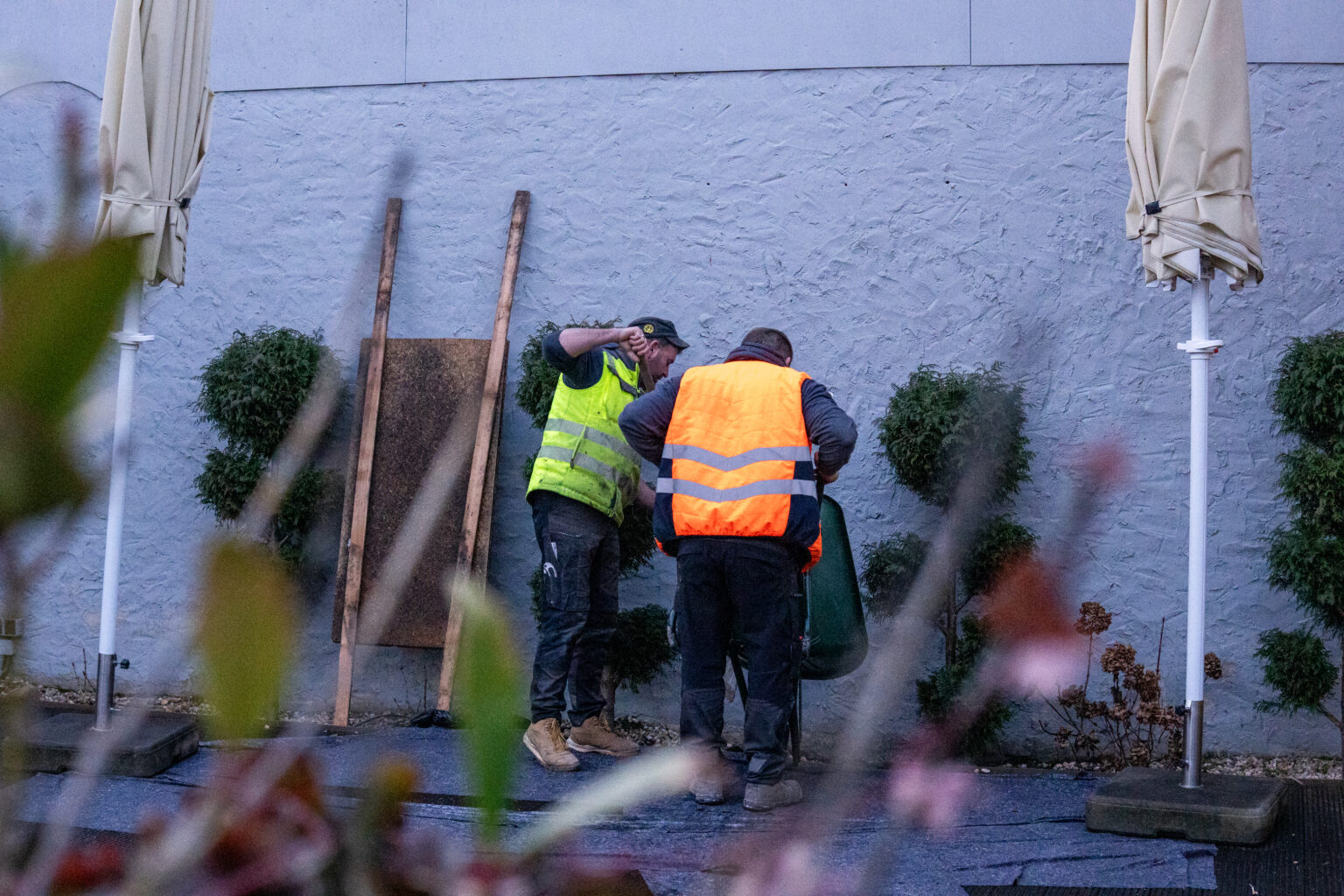
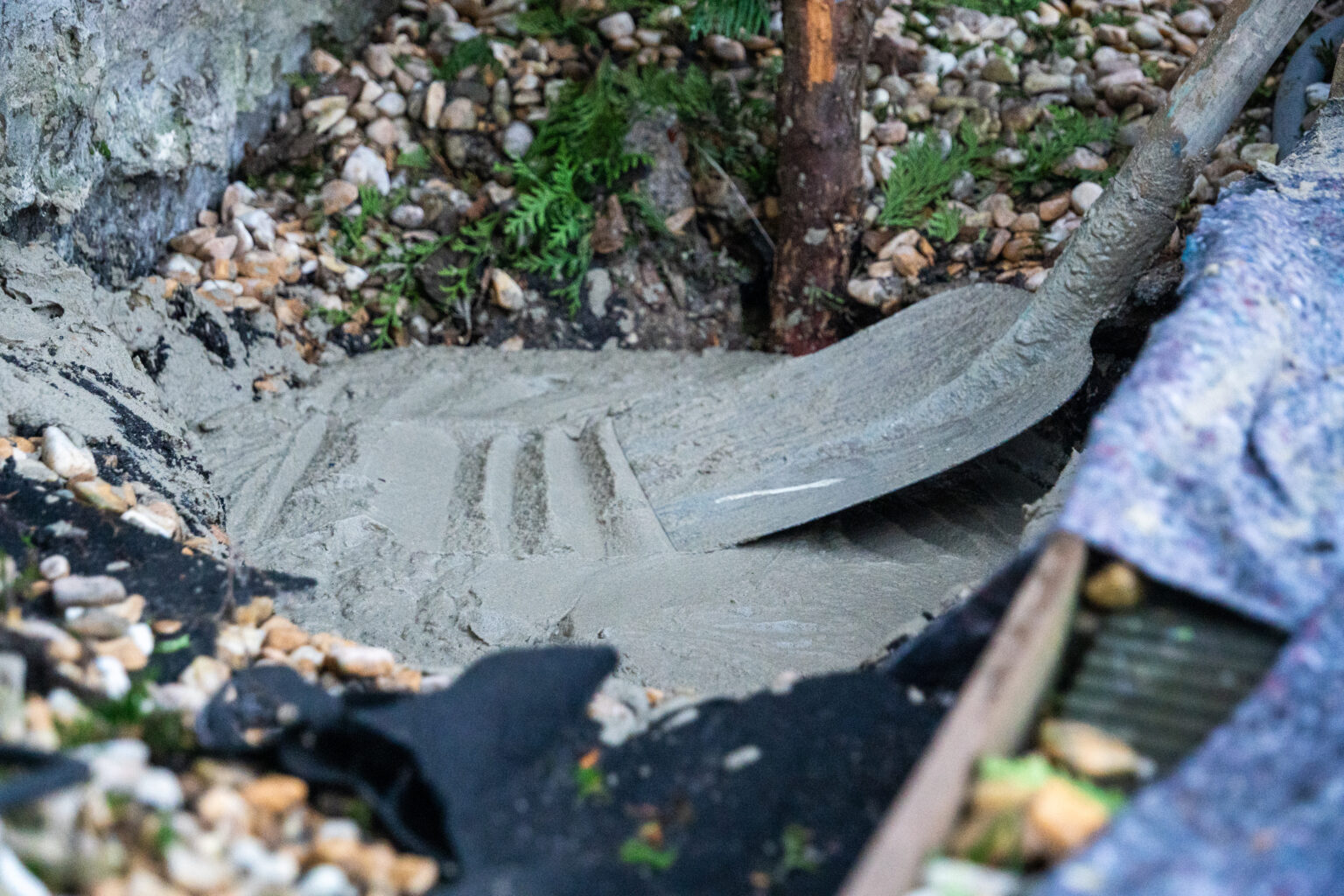
Sustainable backfilling of voids through the reuse of excavated soil
Filling voids with liquid soil contributes to resource-efficient construction practices. Instead of completely disposing of the excavated soil, it can—depending on its properties—be processed and reused as a component of the liquid soil. This conserves natural resources and reduces the need for additional backfill material.
Reusing soil shortens transportation distances, reduces landfill volumes, and can significantly lower a construction project’s CO₂ emissions. This results in environmental and economic benefits, particularly when backfilling voids in existing buildings or on inner-city construction sites.
In this way, cavity backfilling with liquid soil combines technical safety, sustainable construction, and efficient construction site processes—without compromising on quality or stability.


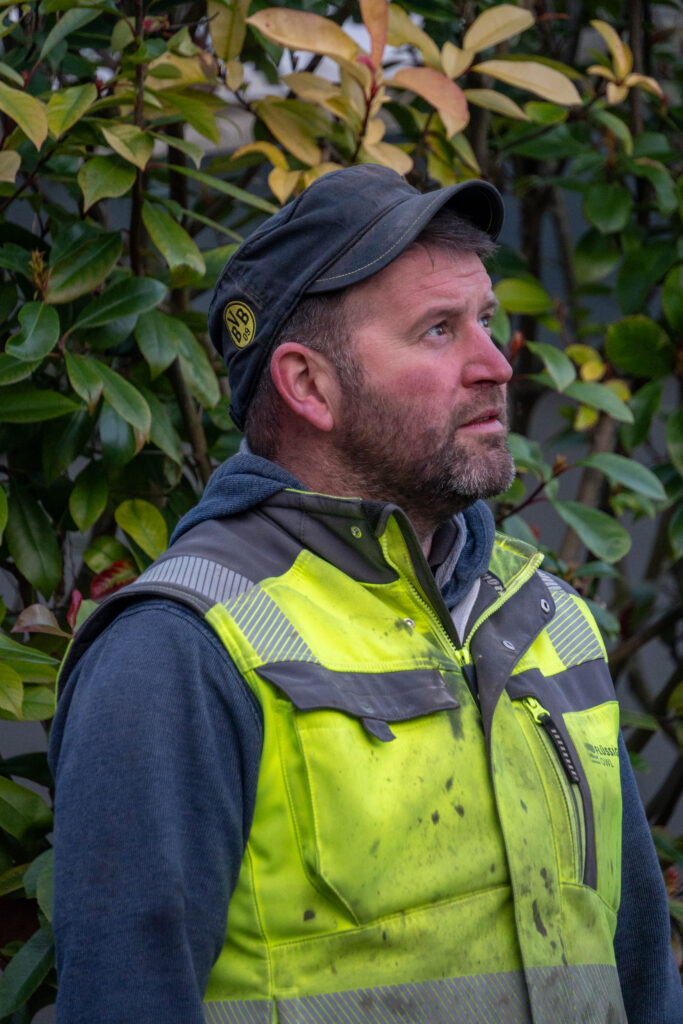
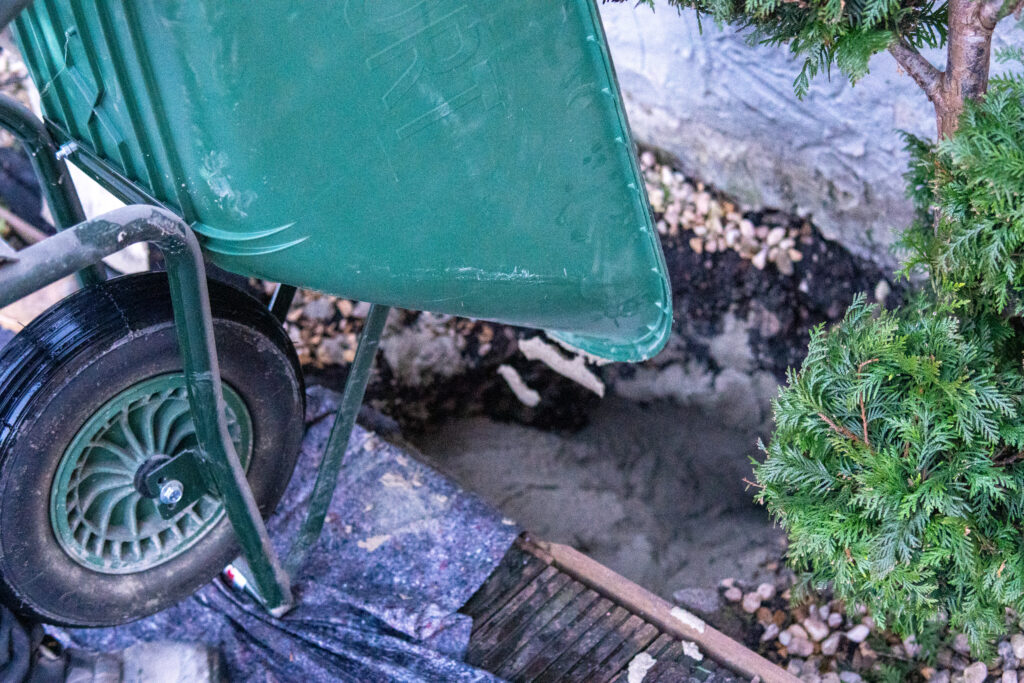
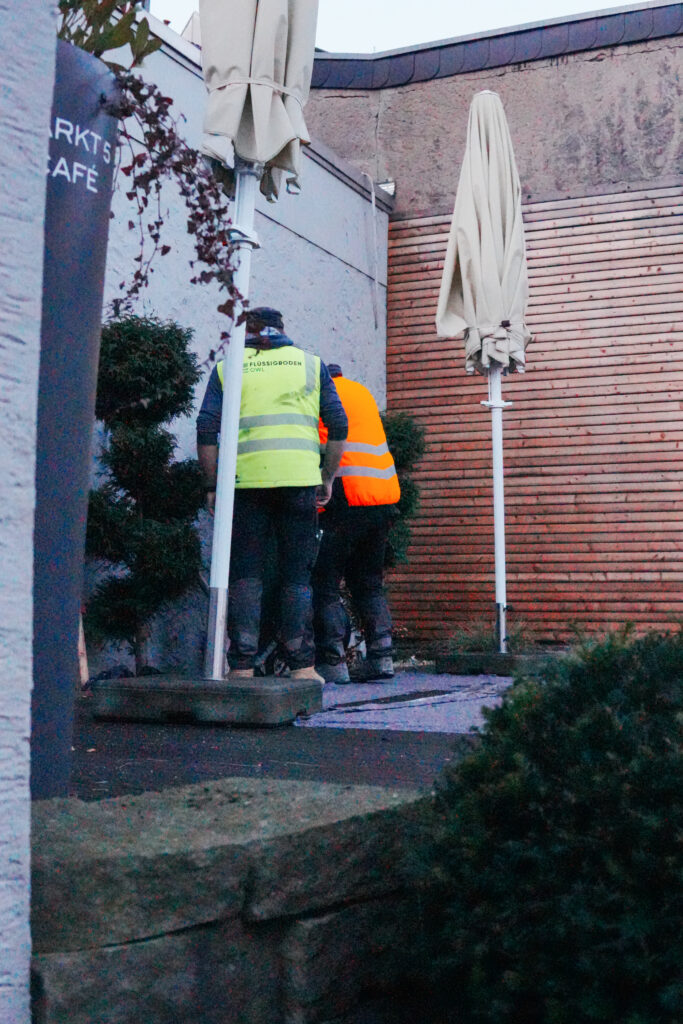
Here's how cavity backfilling with liquid soil works
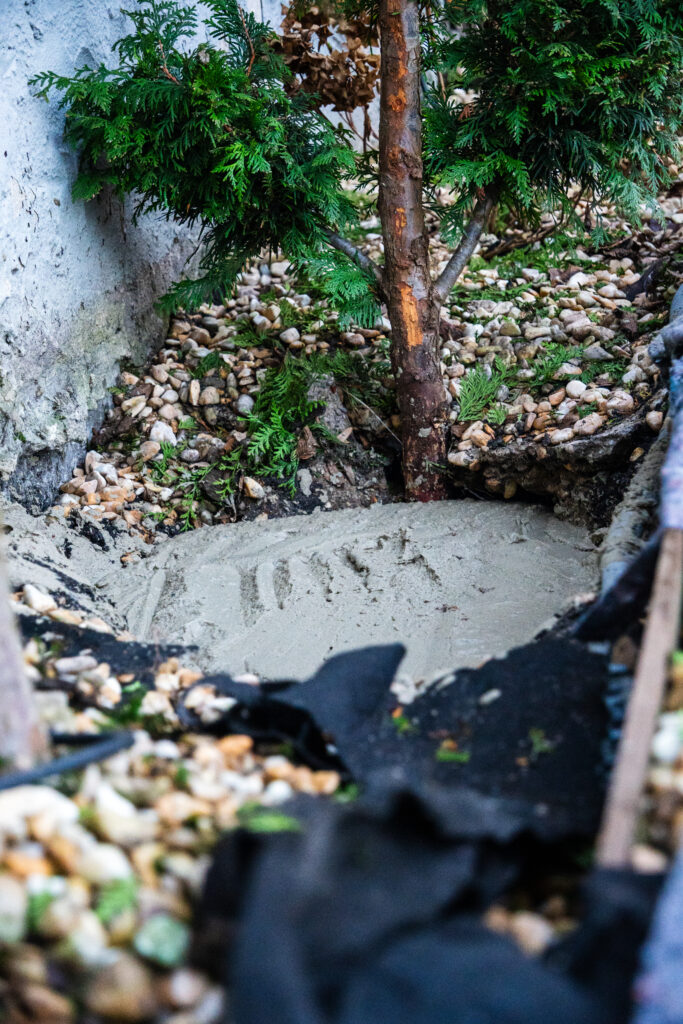
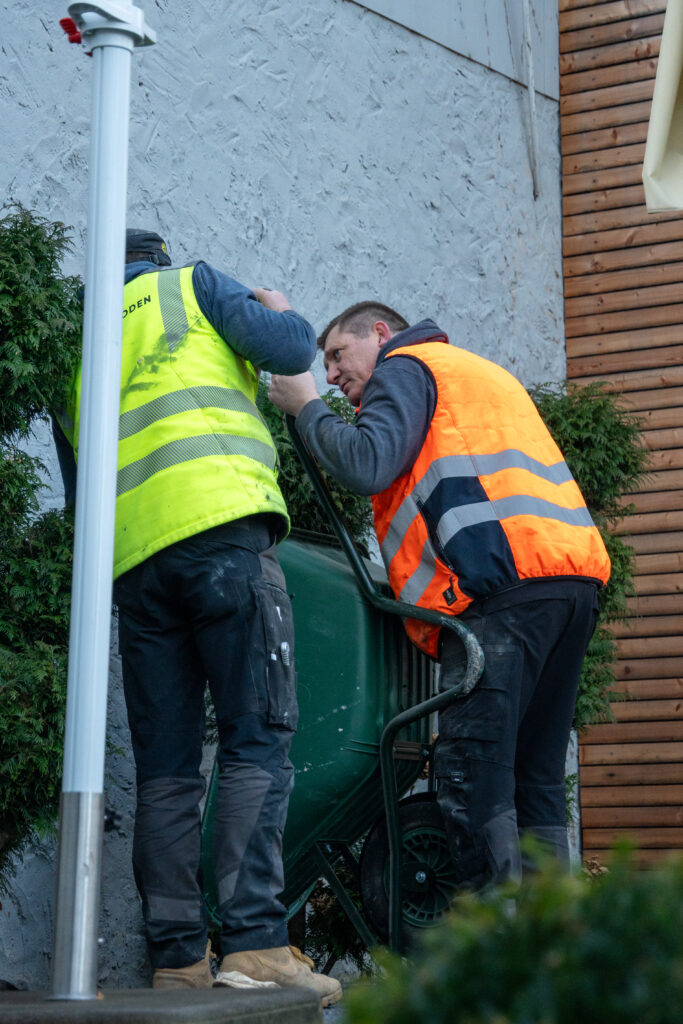
Each void backfill is tailored individually to the requirements of the construction project. From the initial analysis through to final quality assurance, we oversee the entire process and ensure a safe, cost-effective, and permanently stable backfill.
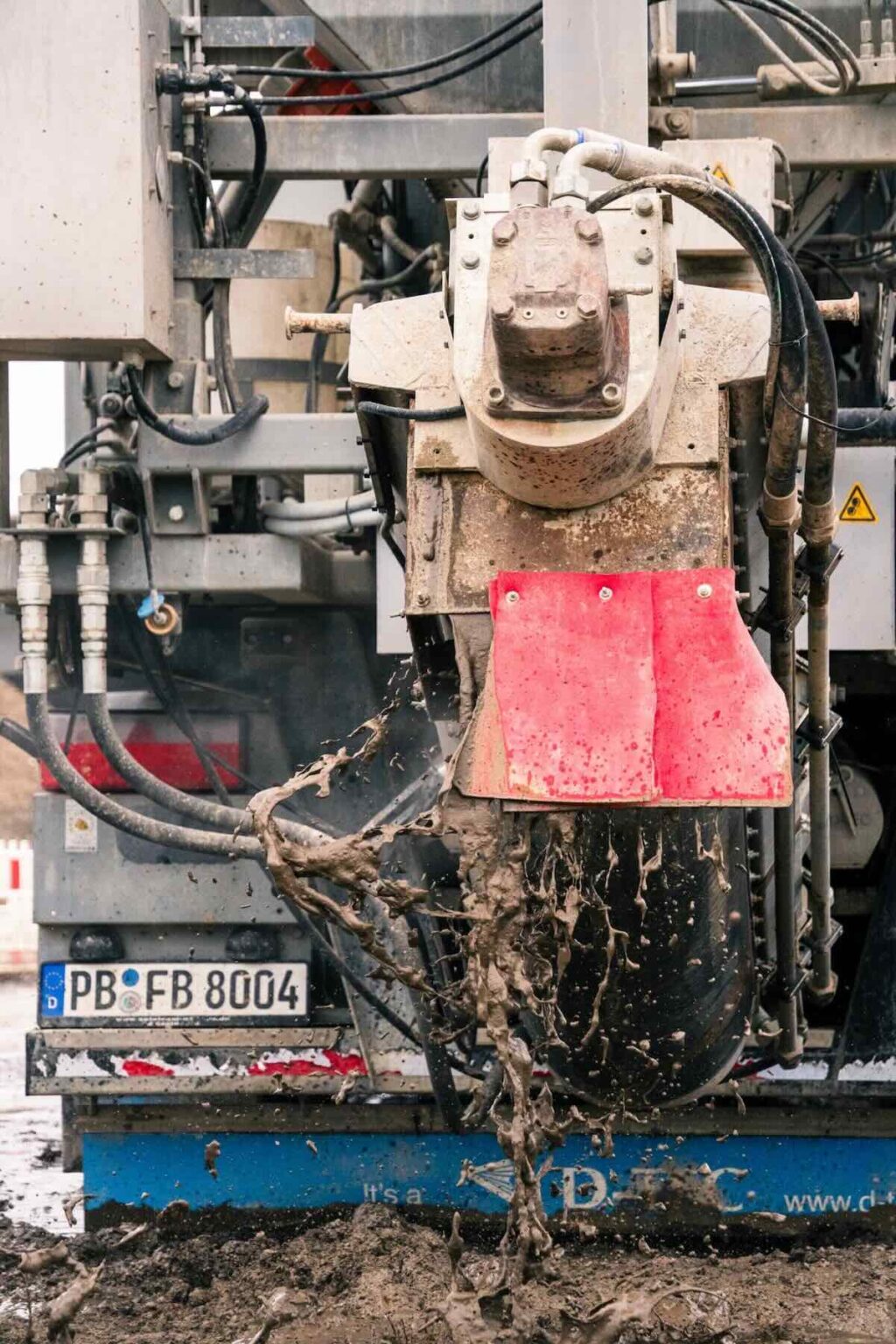
Advantages of Filling Voids with Liquid Soil
Compared to traditional backfilling methods, cavity backfilling with liquid soil offers numerous technical, economic, and environmental advantages. Thanks to its fluid properties, liquid soil can reach even hard-to-access areas and ensures homogeneous backfilling with minimal settlement—without the need for time-consuming compaction work.
No complex compaction
Liquid floor spreads out on its own within the cavity. In many applications, mechanical compaction in layers is not necessary.
Less vibration and noise
Since there is little need for heavy compaction equipment, vibrations and noise emissions on the construction site are reduced.
Reliably Filling Voids
Even hard-to-reach gaps are completely filled. This ensures a uniform and permanently stable backfill.
More gentle on the stock
Existing structures, traffic areas, and sensitive infrastructure can often be preserved, as only minimal intervention is required.
Specific Material Properties
The mix design is tailored to the requirements of the construction project—for example, in terms of load-bearing capacity, strength, or excavability.
Sustainable Reuse
Depending on its suitability, existing excavated soil can be processed and reused as a component of the liquid soil.
Cost-Effective Implementation
Fewer transport trips, reduced compaction requirements, and optimized construction processes can improve the project's cost-effectiveness.
Permanently stable backfill
Controlled consolidation ensures low-settlement, high-strength void filling with excellent long-term stability.
Filling Voids with Liquid Soil—Safe, Cost-Effective, and Sustainable
Filling voids with liquid soil provides a reliable solution for a wide variety of civil engineering applications. Whether under foundations, traffic areas, shafts, or in hard-to-reach areas—thanks to its flowable properties, liquid soil ensures a homogeneous, low-settlement, and permanently stable fill.
At the same time, construction companies, planners, and municipalities benefit from a cost-effective and sustainable construction method. The reuse of existing excavated soil, reduced transport distances, and efficient construction processes make liquid soil a modern alternative to traditional backfilling methods.
Are you planning to backfill a cavity? We’d be happy to advise you and develop the right solution for your construction project—from planning and formula development to professional implementation.
Frequently Asked Questions About Filling Voids with Liquid Soil
What is cavity backfilling with liquid soil?
Liquid soil can be used under foundations, patios, traffic areas, in shafts, voids, excavation pits, and hard-to-reach areas. This method is particularly useful for inner-city construction sites or existing buildings.
Liquid soil is fluid and can be applied precisely. This allows it to reach areas that would be difficult to access using traditional backfill material or heavy machinery.
No, fluidized soil is self-compacting. This eliminates the need for time-consuming mechanical compaction work. It reduces noise, vibrations, and the workload on the construction site.
Yes, liquid soil can reuse existing excavated soil. This reduces transportation, disposal, and the delivery of new materials.
Depending on the formulation, liquid screed can be adjusted so that it remains removable or can be excavated later. This is particularly important for pipes, shafts, or areas that will be accessible at a later date.
Request a quote for cavity filling with liquid soil