Contaminant Binding with Liquid Soil
Your Benefits at a Glance

Reuse Soil on Site
The excavated soil on site remains part of the project and does not automatically have to be removed.
Reduce soil disposal
Fewer hauls, less landfill waste, and less organizational effort on the construction site.

Reduce disposal costs
Depending on the project, costs for transportation, landfill disposal, replacement materials, and construction time can be reduced.
Reduce the Leaching of Pollutants
The formulation is designed to bind pollutants once the product is installed.

Protecting Groundwater
The goal is to conduct a technical assessment of leaching into the groundwater and to limit it.
Document evidence thoroughly
Analysis, formulation, laboratory testing, and coordination with regulatory authorities are presented in a transparent manner.
How Pollutant Binding Works with Liquid Soil
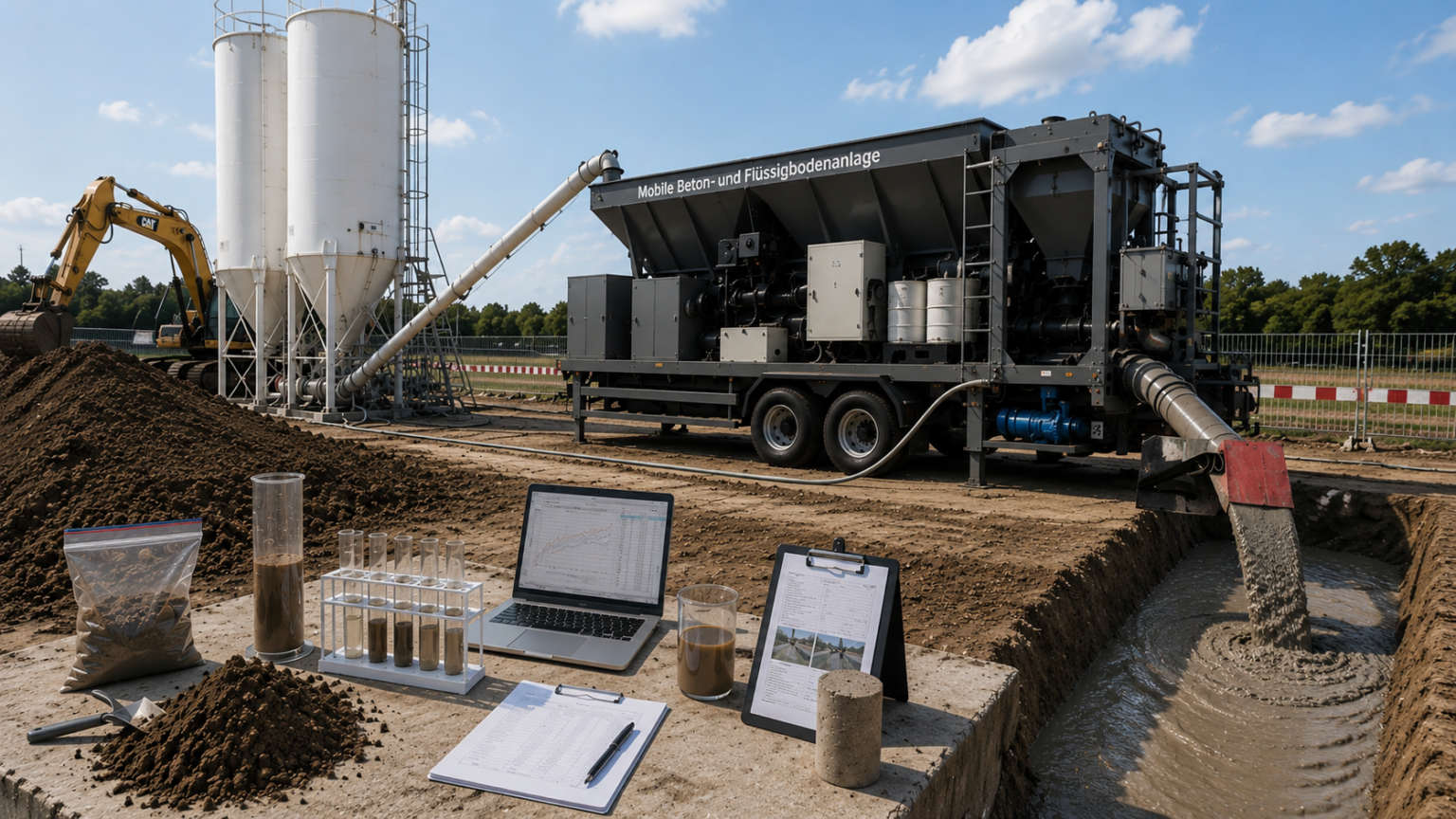
1. Soil Analysis
Samples of the excavated soil are taken and analyzed for contaminants, soil type, and other relevant parameters.
2. Laboratory Testing
In the laboratory, tests are conducted to determine which contaminants are present and at what concentrations they can be bound in the soil.
3. Formulation Development
Based on the laboratory results, a customized liquid soil formulation is developed that is optimally tailored to the project.
4. Manufacturing
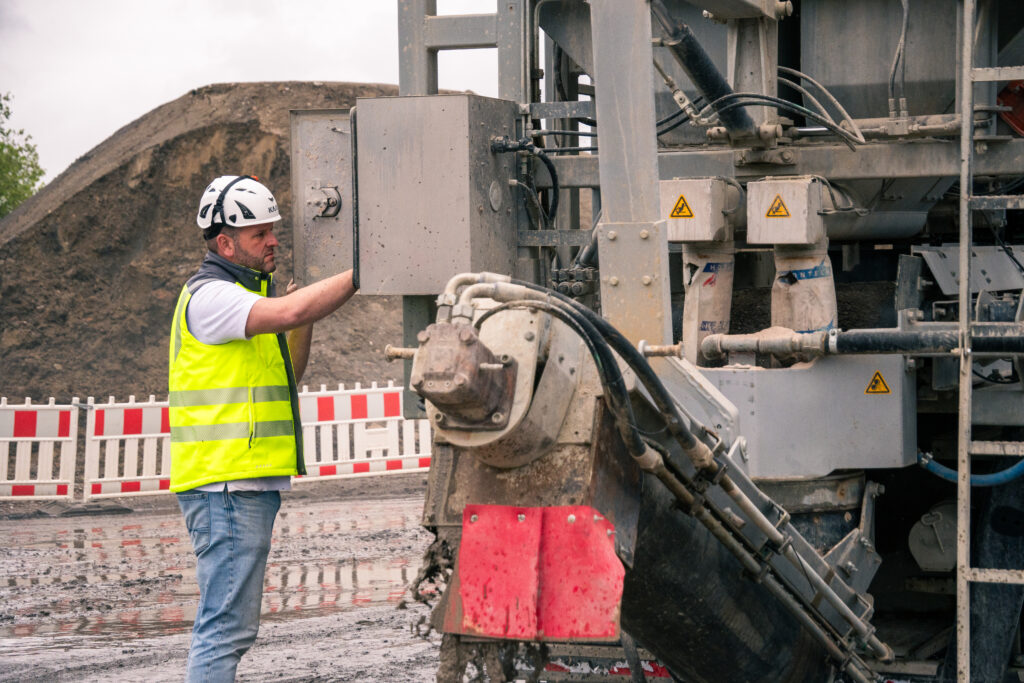
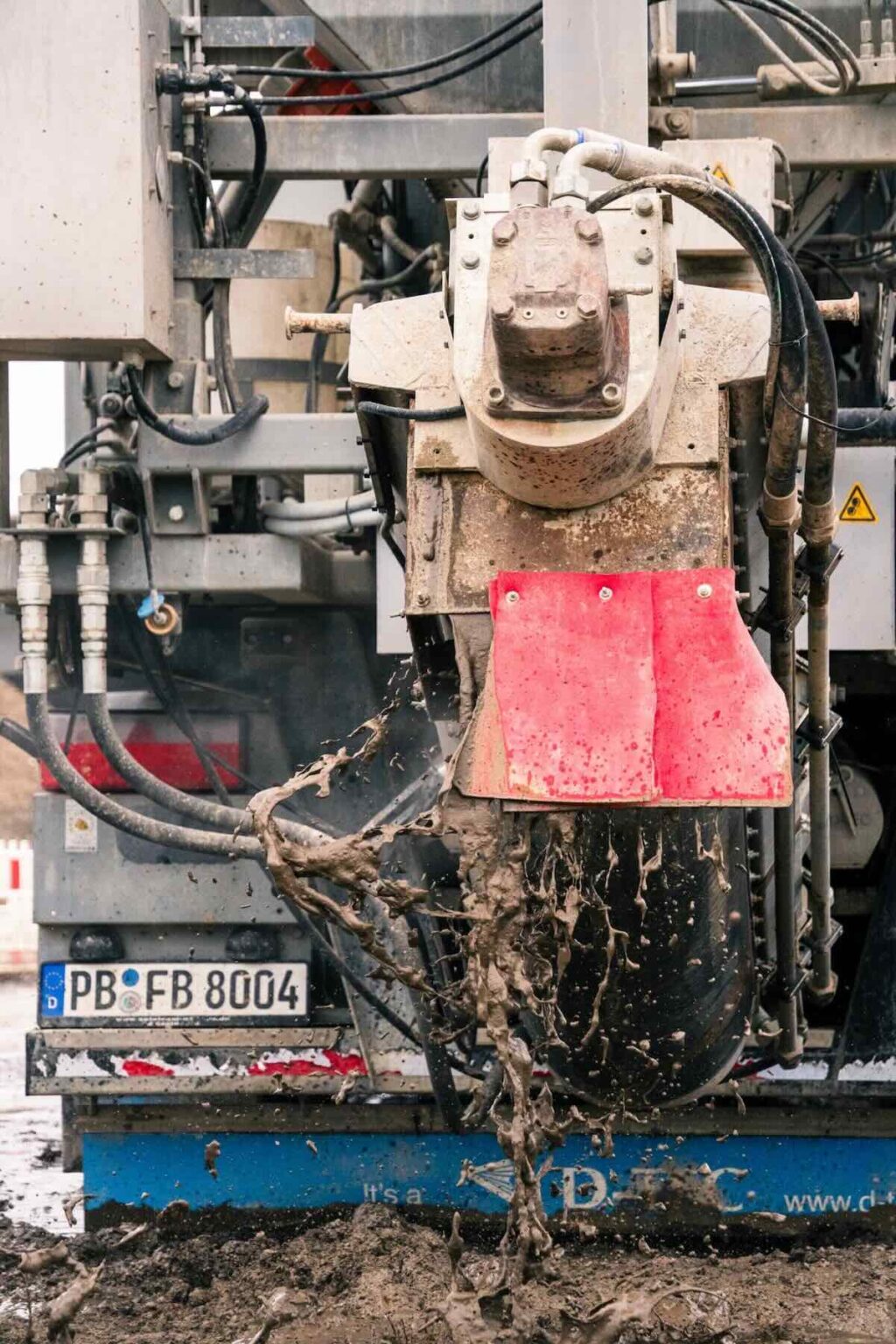
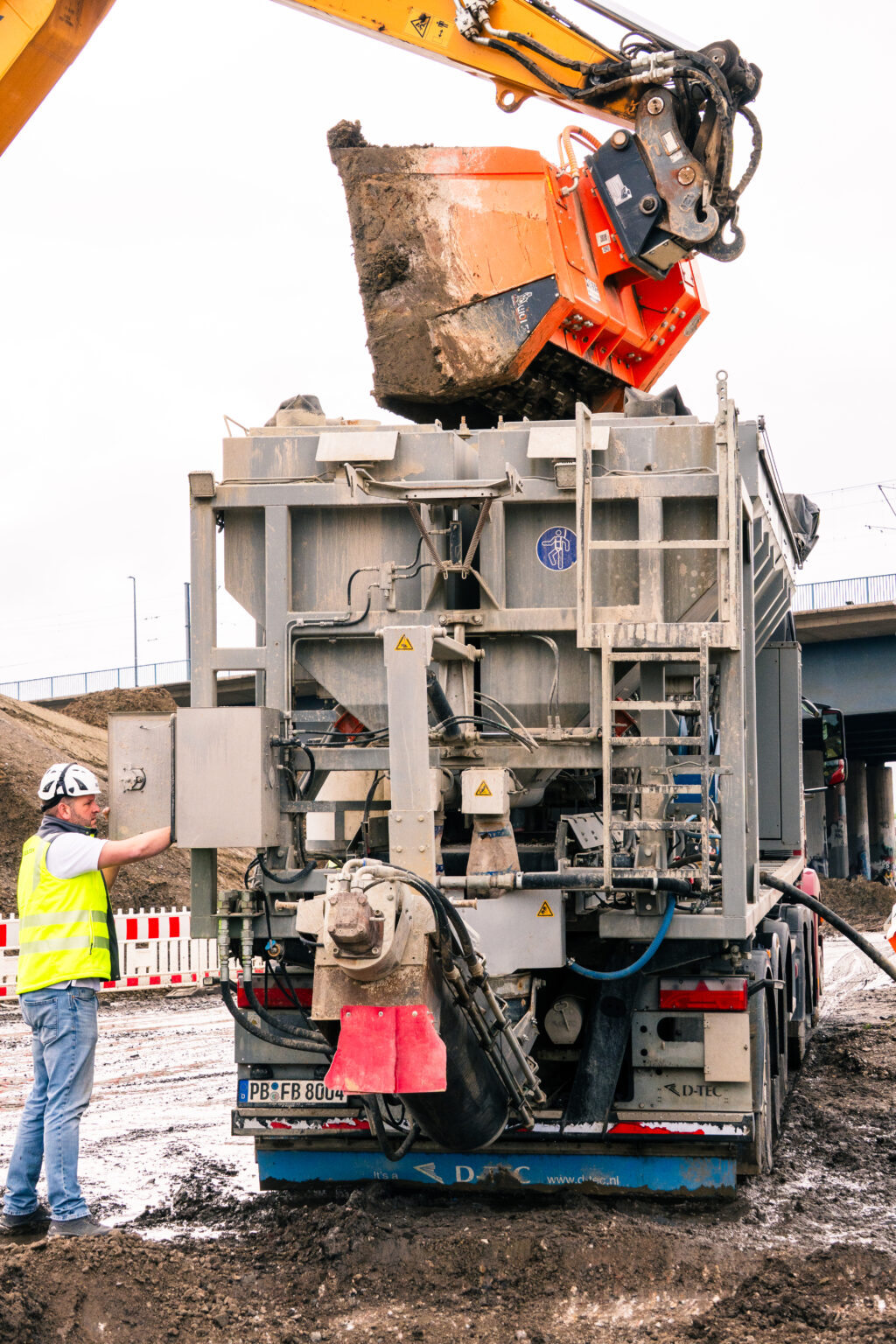
The excavated soil is processed into liquid soil in the mobile mixing plant using water, binding agents, and additives.
5. Proof
Laboratory tests (e.g., eluate and solid-phase analyses) demonstrate that the contaminants are bound when the material is installed and are not leached out.
6. Reinstallation
Once the test is successful, the liquid soil is properly installed and compacted in the prepared construction section.
Why Contaminated Excavated Soil Does Not Have to Be Disposed of Automatically
Contaminated excavated soil is often hastily deemed to require disposal. However, whether it can be reused depends on the level of contamination, the soil properties, and the planned application.
Soil analyses and laboratory tests are conducted to determine whether the existing soil can be technically treated and reused as liquid soil. This helps reduce landfill volumes, transportation, and the need for new fill material.
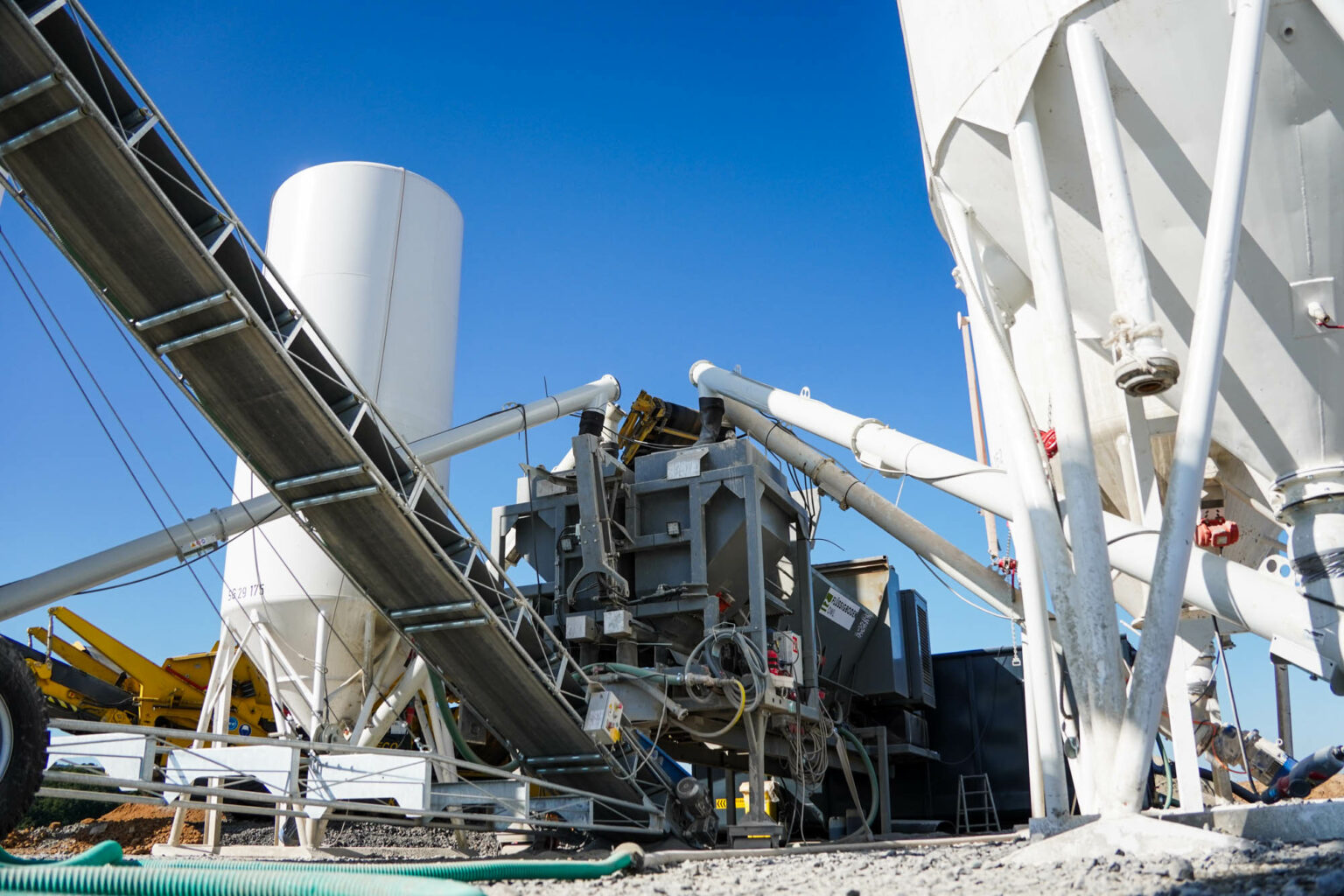
What types of contaminated soil can be tested using liquid soil?
Not all contaminated soil needs to be disposed of. The key factors are which contaminants are present and whether they can be permanently bound in the installed liquid soil.
Among other things, the following can be tested:
– PAHs
– PFAS
– Heavy metals
– Arsenic
– Other contaminants identified in soil investigation reports
We review and evaluate each project on a case-by-case basis.
Custom liquid soil formulations for contaminated soils
No two soils are alike. Grain size, moisture content, type of contaminant, contaminant concentration, and intended future use all influence which liquid soil formulation needs to be developed.
That is why we do not rely on standard solutions. For each construction project, we develop a customized formula that takes into account both the technical requirements and the planned contamination remediation. The goal is a liquid soil mixture that can be safely installed, remains stable over the long term, and meets the requirements for successful soil reuse.
Laboratory testing and verification of contaminant binding
After a test specimen is produced, it is tested in the laboratory. The test determines which substances can be leached out of the installed liquid soil.
These studies form the basis for the technical assessment and provide assurance to building owners, designers, and government agencies.
For a complete review, a period of approximately 28 days should be allowed.
"Every contaminated soil site is unique. That's why we develop a custom liquid soil formulation for each project and test its effectiveness in the lab before the soil is reinstalled."
Reducing the Leaching of Pollutants and Protecting Groundwater
A key objective of contaminant sequestration is to reduce the leaching of relevant contaminants and to protect groundwater in the long term. To achieve this, the existing soil is treated with a specially developed liquid soil formulation and then tested in the laboratory.
After installation, the liquid soil forms a solid mass whose properties can be evaluated in terms of contaminant leaching. This provides a sound basis for the reuse of contaminated soil under appropriate conditions.
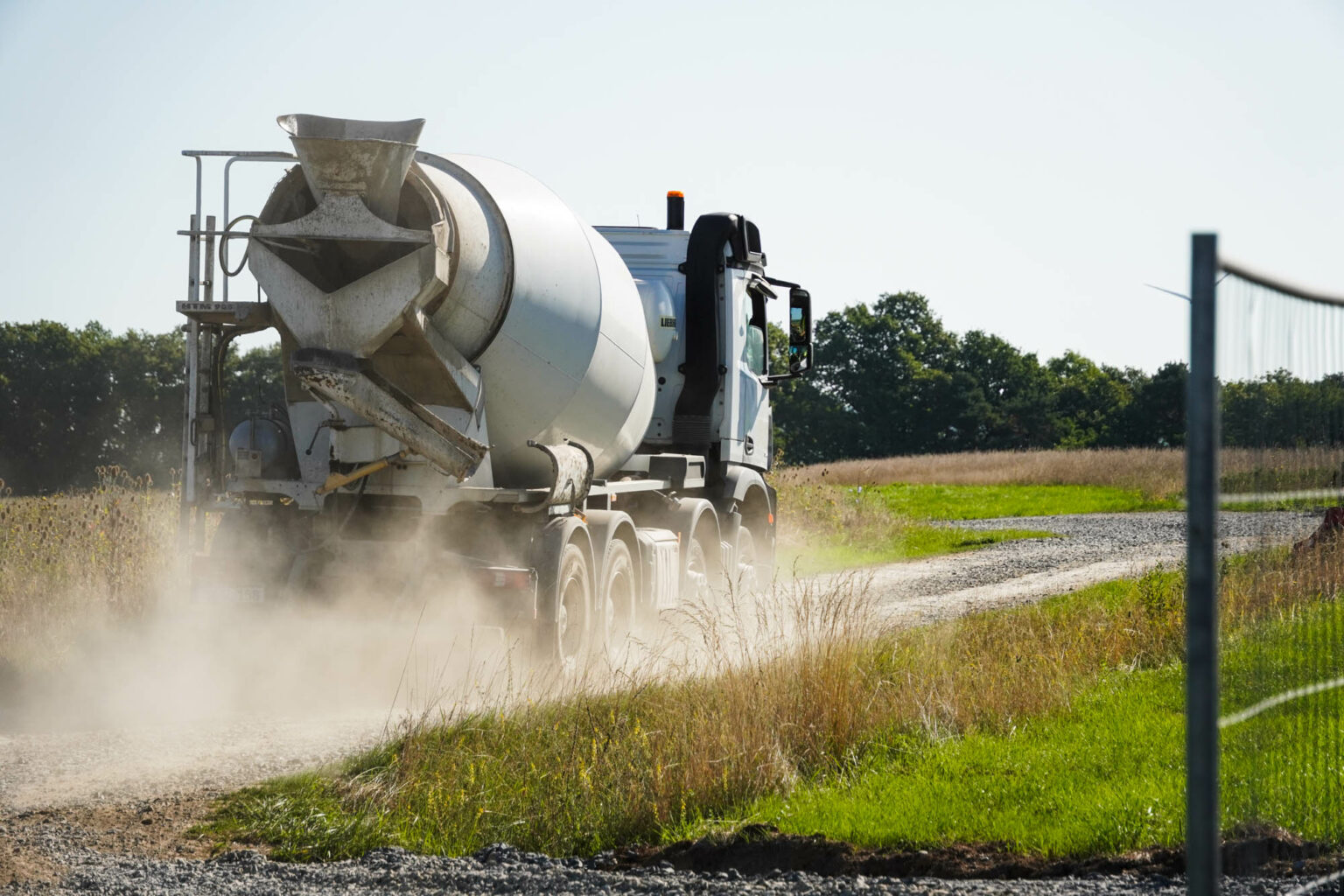
Reduce soil disposal and cut costs
The disposal of contaminated soil often involves high costs for transportation, landfill, and replacement material.
If the existing soil can be reused, transportation distances, material requirements, and landfill volumes are reduced. As a result, construction projects can be carried out more cost-effectively and in a way that conserves resources.
Here's How We Support Your Project
1. Review the site investigation report
We assess soil type, contamination levels, installation conditions, and technical requirements.
2. Conduct a soil analysis
The existing excavated soil is analyzed and evaluated as a basis for formula development.
3. Develop a recipe
We will develop a custom liquid soil formulation for your project, featuring carefully selected binders and additives.
4. Provide proof of laboratory testing
The laboratory is testing whether the formulation meets the technical requirements and whether leaching can be reduced.
5. On-site fabrication
Following a successful evaluation, the liquid soil is produced on-site using mobile equipment.
6. Document the reinstallation
Installation, formulation, testing, and verification are thoroughly documented and presented in a traceable manner.
Frequently Asked Questions About Contaminant Binding with Liquid Soil
No. Whether a contaminant sequestration using liquid soil must be assessed on a case-by-case basis for each construction project. The decisive factors are the soil type, the nature and concentration of the contaminants, the planned use, and the results of soil analysis and laboratory testing. Based on the site investigation report, we develop a project-specific liquid soil formulation and determine whether the existing excavated soil can be technically treated and reused. Only once all technical and legal requirements have been met can the contaminated soil be reused.
As part of the contaminant binding using liquid soil , various pollutants can be addressed. These include, among others, PAHs (polycyclic aromatic hydrocarbons), PFAS, heavy metals, arsenic and other substances identified in the site investigation report or during soil analysis. The decisive factor is not merely the concentration of contaminants, but whether the contaminants will leach into the liquid soil and whether leaching of contaminants can be reduced. For this reason, every construction project is examined and evaluated on a case-by-case basis.
No. The contaminants are not removed from the soil or broken down. The goal of contaminant sequestration using liquid soil is to bind existing contaminants within the installed liquid soil mass and to minimize leaching into the environment as much as possible. Whether this is successful is determined by a project-specific laboratory test . Only after the necessary evidence has been provided and all technical requirements have been met can the soil be reused as liquid soil.
A Reuse of excavated soil is possible if soil analysis, site investigations, and laboratory testing show that the soil is technically suitable and meets the project-specific requirements. Factors such as soil type, contaminant levels, future use, and installation conditions are taken into account. The goal is to keep the existing soil within the project, reduce soil disposal and conserve natural resources.
To assess the potential for contaminant binding using liquid soil , we generally require a current soil investigation report, existing contaminant analyses, details on the volume of soil, and information about the planned installation site. The more complete the documentation is, the more accurately we can assess whether the existing excavated soil is technically and economically feasible. If further investigations are required, we will assist you in planning the necessary analyses.
The development of a project-specific liquid soil formulation is based on soil analysis and the technical requirements of the construction project. After a test specimen is produced, it must first cure. Subsequently, laboratory testing is conducted to determine which substances can be leached out of the material. For complete formulation development, including laboratory testing and validation , a period of approximately 28 daysshould generally be planned for.
Yes. Each liquid soil formulation is developed individually for the specific construction project. Differences in soil type, grain size, moisture content, contaminant levels, and future use generally make a standard formulation unsuitable. Through project-specific development, we ensure that the liquid soil not only meets the technical requirements but also creates the conditions necessary for potential contaminant binding and soil reuse.
Whether permits are required depends on the specific construction project and the requirements of the relevant authorities. The assessment is based on the soil investigation report and the developed liquid soil formulation , and the results of the laboratory testing. We assist our clients in preparing the technical documentation and organize the necessary documents in a clear and transparent manner for planners, experts, and authorities.
Yes. Liquid soil can generally be excavated again. If the area needs to be reopened at a later date—for example, for utility work or construction—the installed liquid soil can be removed using appropriate equipment. This makes the method particularly suitable for utility line installation, sewer construction, and other infrastructure projects where future access must be possible.
The contaminant sequestration using liquid soil is particularly well-suited for infrastructure and civil engineering projects that generate contaminated excavated soil. These include, for example, sewer construction, utility line construction, industrial sites, Railway projects, inner-city construction sites , as well as municipal civil engineering projects. Whether the method can be used is always assessed on a project-by-project basis based on soil analysis and the planned use.
Yes. We support our customers beyond mere mix design. This includes evaluating site investigation reports and developing the liquid soil formulation, and the organization of laboratory testing , and the transparent documentation of all results. This provides builders, planners, and regulatory agencies with a solid foundation for the technical assessment of the planned reuse of the soil.
Can contaminated contaminated be reused in the project, it is often possible to reduce transportation, landfill volumes, and the need for new fill material. This allows construction projects to be carried out more cost-effectively and helps conserve natural resources. At the same time, the combination of soil analysis, laboratory testing and project-specific liquid soil formulation provide a transparent basis for the technical assessment of reuse.
Have your vehicle tested for pollutant emissions now